Ford has announced the end of production of the all‑electric F‑150 Lightning, marking a significant shift in the company's strategy. The decision reflects a focus on hybrid vehicles and more affordable electric models, aimed at improving profitability.
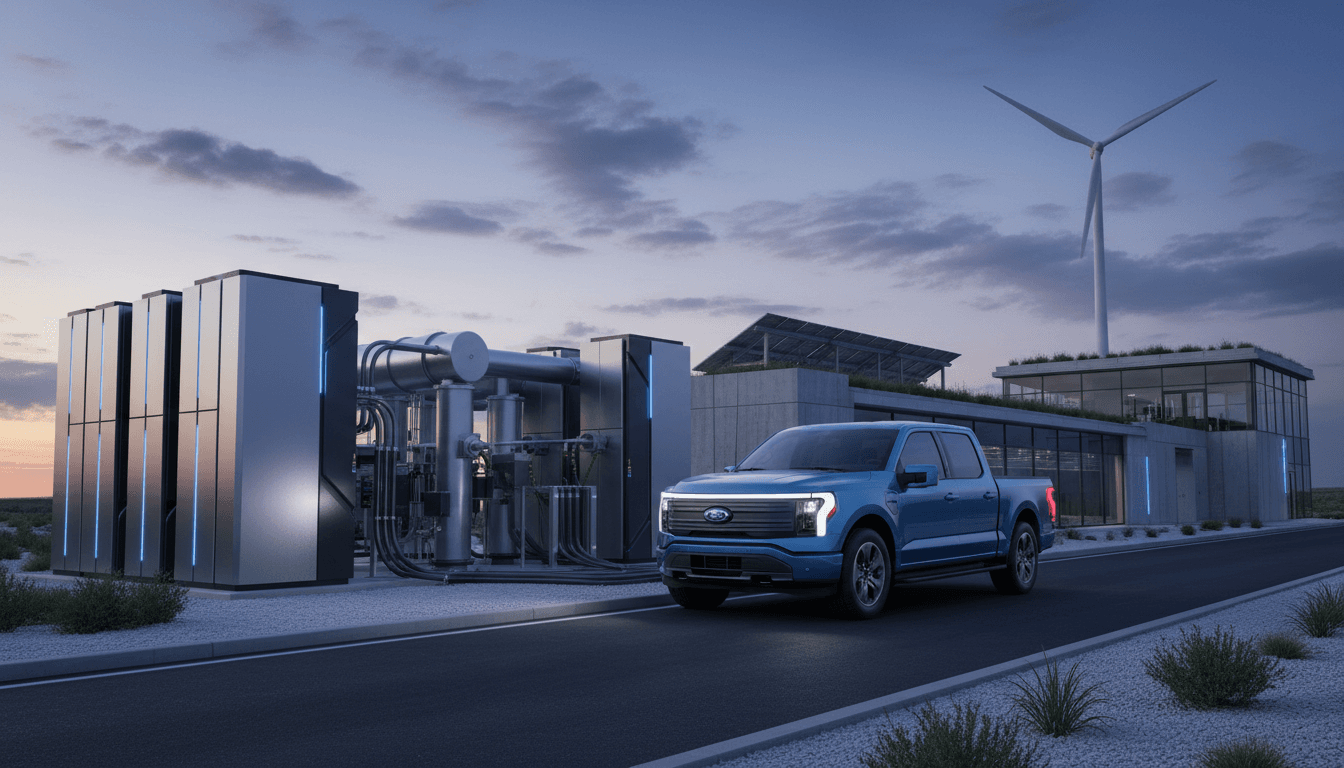
The new strategy also includes investments in energy storage, aligned with the development of e‑mobility and green energy.
Context and background
The production of the F‑150 Lightning was an ambitious step by Ford toward electrification. However, significant financial losses of 1.20 billion euros in the third quarter forced the company to rethink its strategy. Instead of continuing the costly EV, Ford will focus on more profitable hybrid models and Extended Range Electric Vehicles (EREV).
Technology and specifications
Ford's new approach involves converting the F‑150 Lightning into an EREV model that combines electric motors with a combustion engine used to charge the battery. The vehicle is expected to have a range of over 1,127 km and accelerate to 97 km/h in less than five seconds. Production will take place at the Rouge EV Center in Dearborn, Michigan.
Market and environmental impact
Although the decision to end F‑150 Lightning production may seem like a step backward, Ford plans to redirect its resources toward developing energy storage systems. The market is currently very dynamic, with growing demand from power plants and data centers. Ford intends to invest around 2 billion euros over two years to expand this business.
Implications for users
For consumers, the change means access to hybrid vehicles and new EREV models that may offer better value for money. Ford's new strategy may also help reduce production costs, translating into more attractive retail prices.
Market position and competition
Ford plans for hybrid and EREV models to account for 50% of global sales by 2030. Competition will come from similar models offered by manufacturers such as Toyota and General Motors. The decision to enter the energy storage business could prove crucial amid growing competition in the EV market.
Summary
Ford has responded to market challenges with a thoughtful strategic shift aimed at boosting profitability and adapting to changing trends. Ending F‑150 Lightning production and investing in energy storage may prove to be a key step toward its long‑term success.