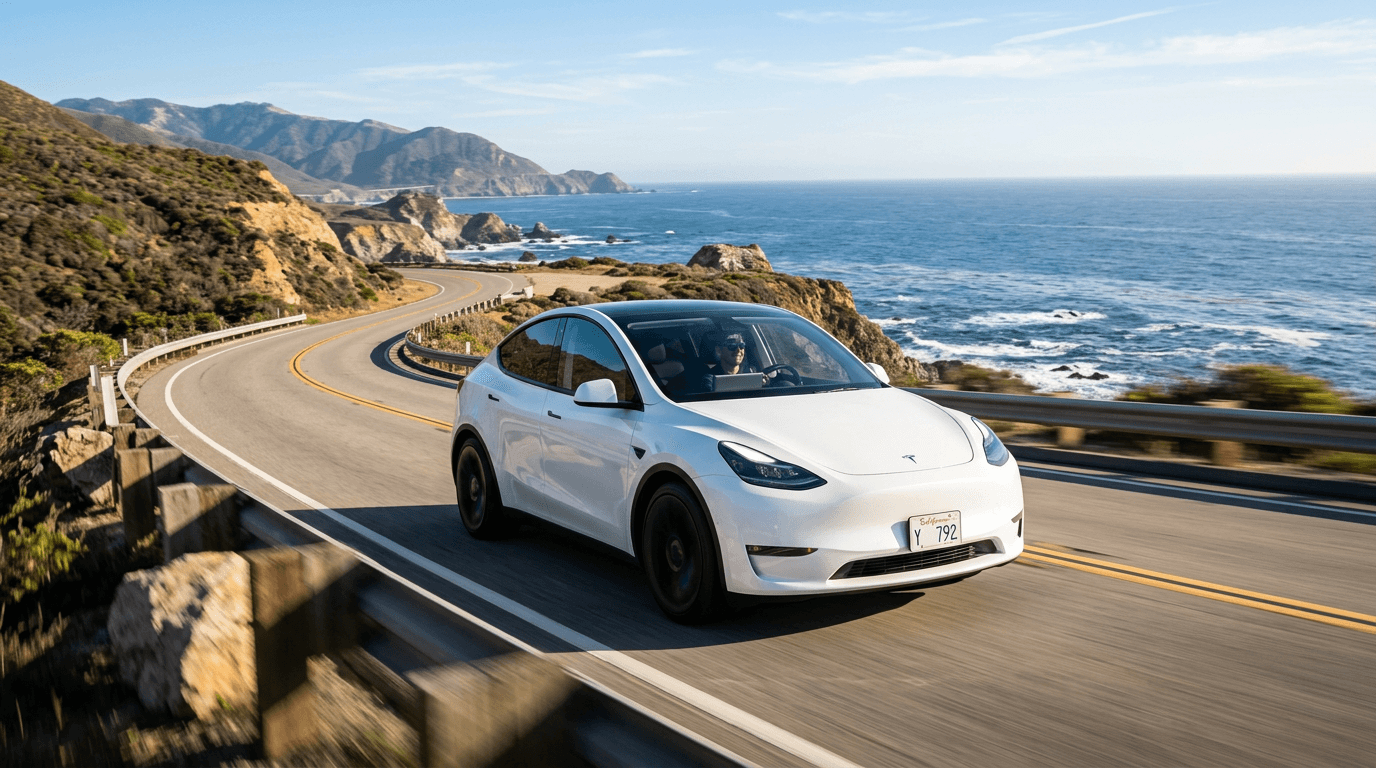
In America, euphoria broke out because the new Tesla Model Y AWD rolled into showrooms with a price tag of $41,990. That is roughly the cost of a decent Swiss watch and a set of Bugatti tyres. After a quick conversion, that gives a promising 150,000 zlotys.
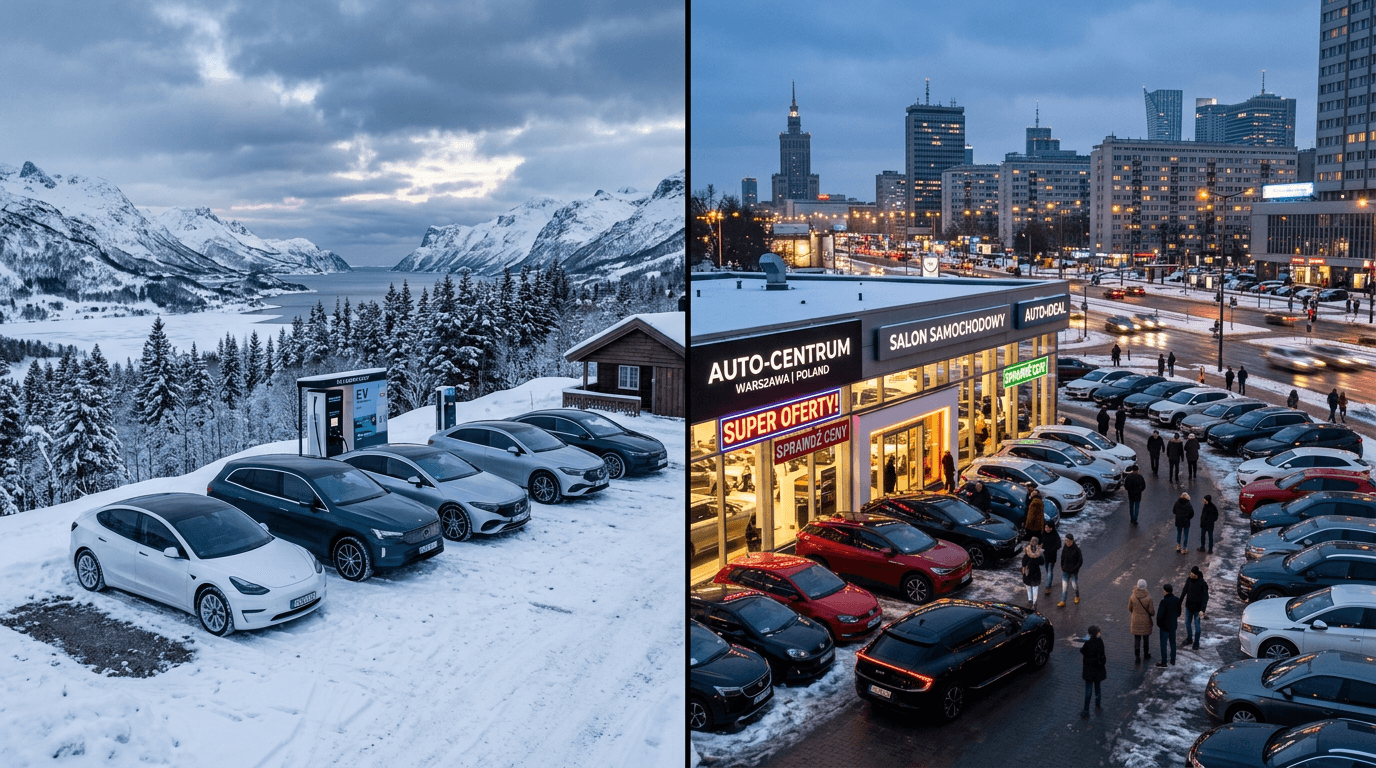
Sounds like the deal of the century? Yes, but only if you live in Texas and take advantage of local tax credits. In Poland, reality hits us in the face like a poorly programmed airbag in a budget microcar.
Here, the base, rear-wheel-drive variant costs 184,990 zlotys. After adding the "tax for being in Europe", customs duties and local margins, the new Tesla Model Y AWD in Polish showrooms will land with a price in the region of 192,000 – 195,000 zlotys.
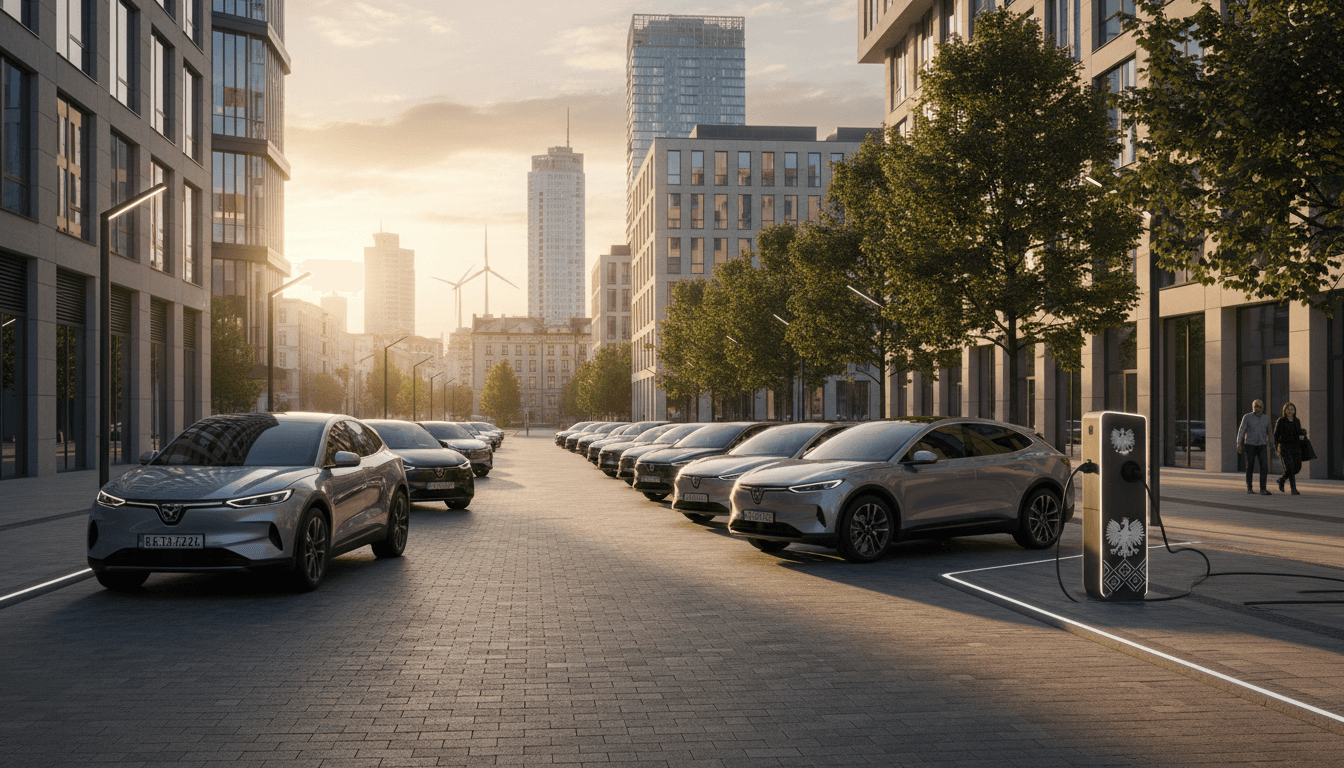
And suddenly this "budget" hit becomes a market average. It has to fight for breath with the Volkswagen ID.5 and other cars that represent the new generation of electric cars. Tesla stops being a choice of the heart and becomes the result of a cold Excel calculation.
Range and performance of the new AWD version
Technically, Musk's new toy is like coffee from a vending machine – it does exactly what it should and gives you a buzz, but without unnecessary finesse. 4.6 seconds to one hundred is a result that a decade ago was reserved for cars on posters above a teenager's bed.
The top speed is 201 km/h. Enough to lose your driving licence on any Polish road before you can finish the phrase "Full Self-Driving autonomous driving". Remember, however, that a more powerful Tesla Model Y requires appropriate discipline on the road.
The real problem appears when analysing the range. The American 294 miles sounds proud in a brochure, but in our reality the Standard AWD cycle will aim for around 480–500 kilometres under the optimistic WLTP standard.
That is a solid result for a family SUV, but it looks pale next to the Long Range RWD version, which can cover up to 600 kilometres. By choosing the cheap "four-legged" version, you commit to a car whose main stop on the route will be a public charger.
Two motors generate drag and consume energy, even if only one of them does most of the work. The Tesla Model Y in this version is a classic compromise between traction and range.
Interior as austere as a model's diet
The Standard version after the "Juniper" facelift is the automotive equivalent of an apartment in developer condition. Tesla castrates this model of "luxuries" that in the mid-2020s should be an absolute given.
Forget refined wood trim or high-quality fabrics. Minimalism reigns here, and every Tesla Model Y from the new production line seems to scream about production cost optimisation.
What's more, the new design philosophy has brought the removal of the physical gear selector stalk. Now, to move off, you have to caress the touchscreen with your finger up or down, as if you were scrolling through a Tinder profile.
Some say it is brilliant, I say it is as comfortable as tying your shoes in boxing gloves. Fortunately, the physical turn-signal buttons on the steering wheel have been kept. That saves us from chaos, although the Tesla Model Y without stalks still raises controversy.
Cost engineering and the Giga Press method
Wondering how Tesla lowers these prices? The answer lies in the Giga Press method. The entire rear and front of the car are now huge castings rather than hundreds of welded panels. This makes the car stiffer and lighter, but it carries some risk.
If someone rear-ends you at a traffic light, the repair bill can exceed the value of half the car. The Tesla Model Y becomes a disposable product, like a smartphone you replace after the screen cracks.
The Giga Press method is a triumph of engineering over the common sense of insurers. You have a car that is one big piece of metal – wonderful, until someone scratches it in a car park and the service sends an invoice worth the GDP of a small country.
In the new AWD version, LFP (lithium iron phosphate) cells were probably used. They are durable and can be charged to 100% without guilt, but they hate the cold. Buying this version in Poland, you have to reckon with the fact that winter mornings will require longer battery preparation.
This is a technology trade-off, and the budget Tesla Model Y will require its owner to plan routes more carefully in winter.
Verdict: Is it worth waiting for the Polish launch?
The new Tesla Model Y AWD is a car for someone who is obsessively afraid of wheel slip on wet cobblestones outside a kindergarten, but is allergic to paying extra for a better audio system.
Tesla is building its portfolio along the lines of a fast-food chain – we get a few versions of the same dish, differing in the amount of hot sauce and the size of the fries portion in the set.
Will this car win over Poland? Only if the price of the final version, after accounting for government subsidies, does not exceed the psychological threshold of 200,000 zlotys.
Otherwise, the Tesla Model Y AWD will remain a curiosity for those who want the prestige of two motors but do not want to admit to friends that they skimped on the Premium package. It is a solid machine, but it lacks the spark that the luxury electric cars from the brand's beginnings had.
If you want thrills, pick the Performance version. If you are driven by cold reason, the new Tesla Model Y AWD may turn out to be your best "mistake" – a purchase that greets you every morning with a bare interior and a tablet instead of a soul.
This model perfectly complements the manufacturer's catalogue, aiming right at the centre of the market. Any home charger will handle the new LFP battery, which makes operation cheaper. Ultimately, the Tesla Model Y is a product tailored to the maths of an accountant.
FAQ – Frequently asked questions
How does the AWD in the budget version technically differ from the Long Range?
The main difference lies in net battery capacity and cell chemistry. The budget AWD version often uses a smaller pack (approx. 60-67 kWh), while the Long Range has a pack of approx. 75-79 kWh. The cheaper version has software-limited peak inverter power, which translates into slightly slower acceleration and a slower charging curve (maximum approx. 170 kW instead of 250 kW).
Is the lack of physical turn-signal stalks annoying in everyday driving?
Moving the turn signals to haptic buttons on the steering wheel requires a change of habits, especially when exiting roundabouts while the steering wheel is turned. The system forces you to hit the button precisely without looking, which can be tricky in dynamic situations. Tesla is pushing towards full automation, where the car decides on its own when to switch on the indicators.
What is the real range of the Model Y AWD in Polish winter conditions?
At temperatures around -5°C and motorway driving (120-130 km/h), the real range drops to around 280-320 kilometres. This is due to the heat pump working and the resistance of cold cells. In the city, thanks to efficient recuperation, the result is higher, hovering around 380 kilometres.
What does the "Juniper" facelift mean for ride comfort?
The Juniper facelift is primarily about better cabin insulation thanks to double glazing and new sound-absorbing materials. The suspension has been tuned softer, using frequency-selective (FSD) valve dampers, which eliminates harshness over short, transverse bumps.
Is all-wheel drive (AWD) essential in an electric car?
Tesla uses AWD not only for traction but also for torque vectoring. The front induction motor only kicks in when needed, which optimises energy consumption. For people living in hilly terrain AWD is key, given the car's high mass, easing climbs on slippery surfaces.
What about servicing the huge castings (Giga Castings)?
In the event of serious structural damage to a casting, traditional bodywork repair is impossible. Services often qualify this as a total loss, which raises insurance costs. Smaller collisions, however, are absorbed by sacrificial crush zones and traditional body panels.
Is it worth paying extra for the Long Range instead of the new AWD?
If you often travel distances over 300 km, paying extra for the Long Range makes sense due to the larger battery and higher DC charging power. It cuts the stop time on the route by about 10-15 minutes. For daily commutes and occasional trips, however, the new AWD version offers a better balance of price and traction.