The American dream of a chauffeur in the cloud: Tesla at the Senate's gates
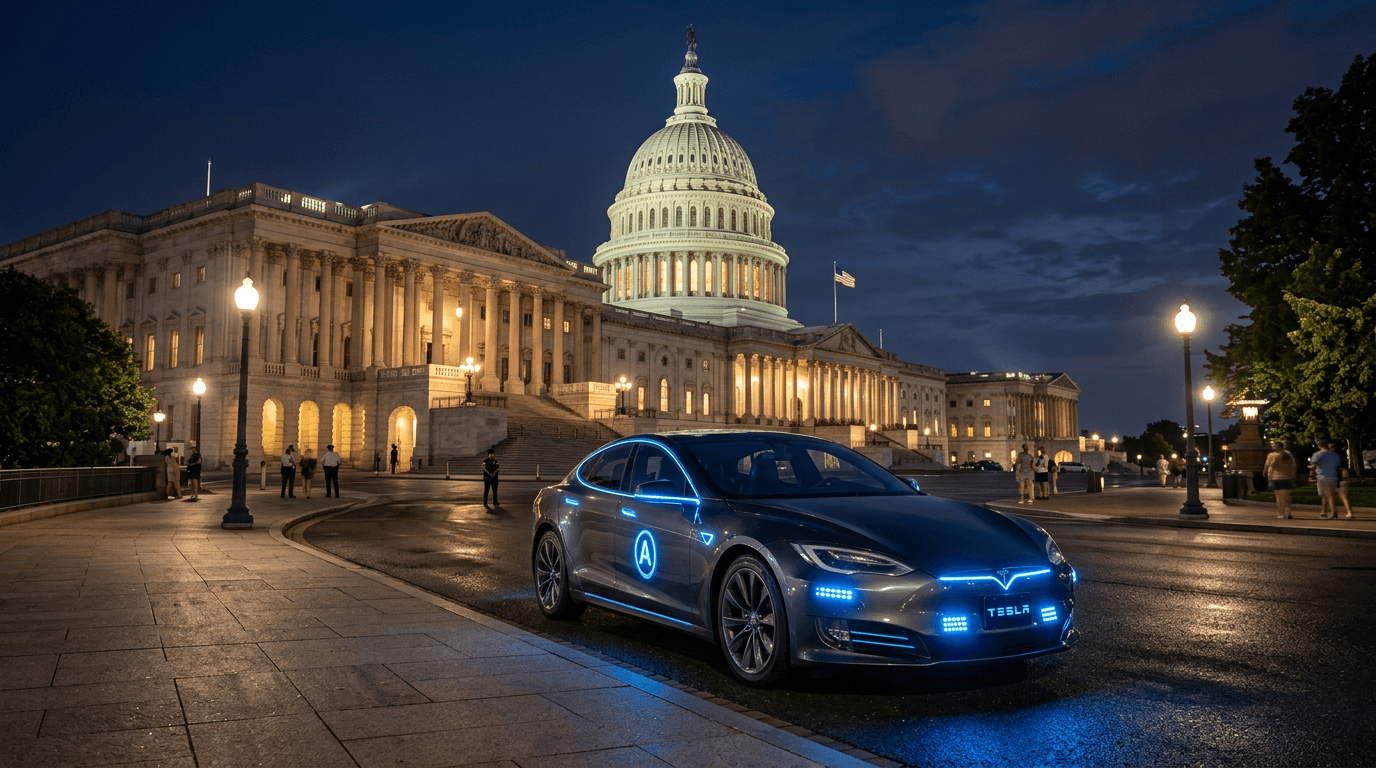
Ladies and gentlemen, it happened. Lars Moravy, Vice President of Tesla, appeared before the US Senate Commerce Committee. With the air of a prophet who had just come down from Mount Sinai with a new set of commandments, he declared that the world needs a single, powerful, federal stick for autonomous vehicles.
The reason is simple. The current patchwork of regulations in the United States resembles trying to assemble a puzzle from ten different boxes, in the dark and after a few drinks. Each state has its own whims, and Tesla already has a ready-made Robotaxi.
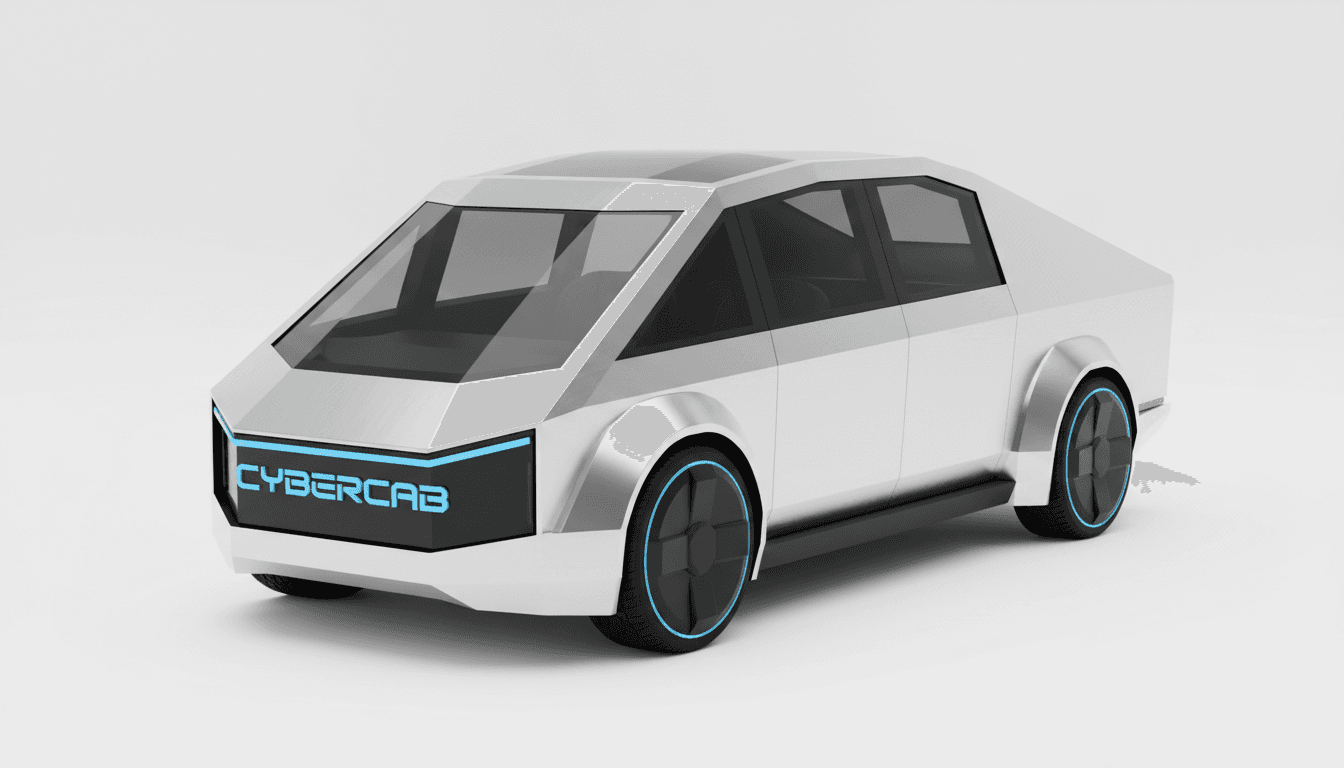
Cybercab needs no pedals or steering wheel. Most importantly, it does not need a nagging passenger asking "are we there yet?" every five minutes. This is a complete redefinition of personal transport.
Sending Cybercab onto the roads without federal regulations is like letting Mike Tyson into a kindergarten. Technically impressive, but legally it will end in tears and a mountain of paperwork.
The problem is that bureaucracy moves at the speed of a rusting Polonez in reverse. At the same time, Elon Musk's technology races like gossip after Mass in a small town. Moravy came to Washington to politely point out that state law is currently the biggest obstacle to saving human lives.
Tesla is demanding consistent legal frameworks from New York to California. After all, an algorithm cannot change its legal personality every time it crosses a line on a map drawn back in the 19th century.
Safety statistics offered by Tesla
Moravy laid the cards on the table. He presented numbers that make any of us feel behind the wheel like a clumsy chimp trying to defuse a time bomb. Cars with FSD (Full Self-Driving) drive an average of 8.2 million kilometres before a serious collision occurs.
An ordinary, biological driver crashes statistically after just a little over a million kilometres. This is a technological chasm that cannot be ignored. Even if you are a fanatic of the manual gearbox and the smell of petrol in the morning.
As much as 94% of road accidents are the result of pure human stupidity, fatigue, or aggression. In this context, the vision of an autonomous future stops being a whim and becomes a survival instinct. Tesla claims their system sees in 360 degrees at once, never blinks, and never has a hangover.
All modern electric cars from this brand are designed with full autonomy in mind. Sceptics traditionally warn about hackers, but Moravy reassures: key vehicle control functions are isolated from the outside world.
Remote takeover of the car is theoretically impossible. And although Waymo stubbornly mounts Lidar on its roofs, Musk stands firm: cameras and a neural network alone are enough. This is a bold approach, assuming that for spatial orientation, a digital equivalent of human vision is sufficient.
Engineering versus bureaucracy
Vice President Moravy is pressing the Senate because the current US regulatory system is the real Wild West. Some states allow tests without a driver, others require the physical presence of a human. This generates chaos that paralyses development.
Tesla is building the infrastructure for Cybercab, which is the pinnacle of minimalism. The absence of side windows or mirrors is a real option, provided officials in Washington stop thinking in categories from the era of the Ford Model T.
The "Vision-only" technology has evolved into powerful AI models. Systems learn road behaviour by analysing billions of kilometres of recordings from users. It is a living, digital organism that becomes smarter with every metre driven.
If millions of drivers swerve around a pothole, the neural network instantly adapts that pattern. Every home charger becomes a power point for this artificial intelligence, supporting the ecosystem of the future.
The Polish reality and a new Tesla for the people
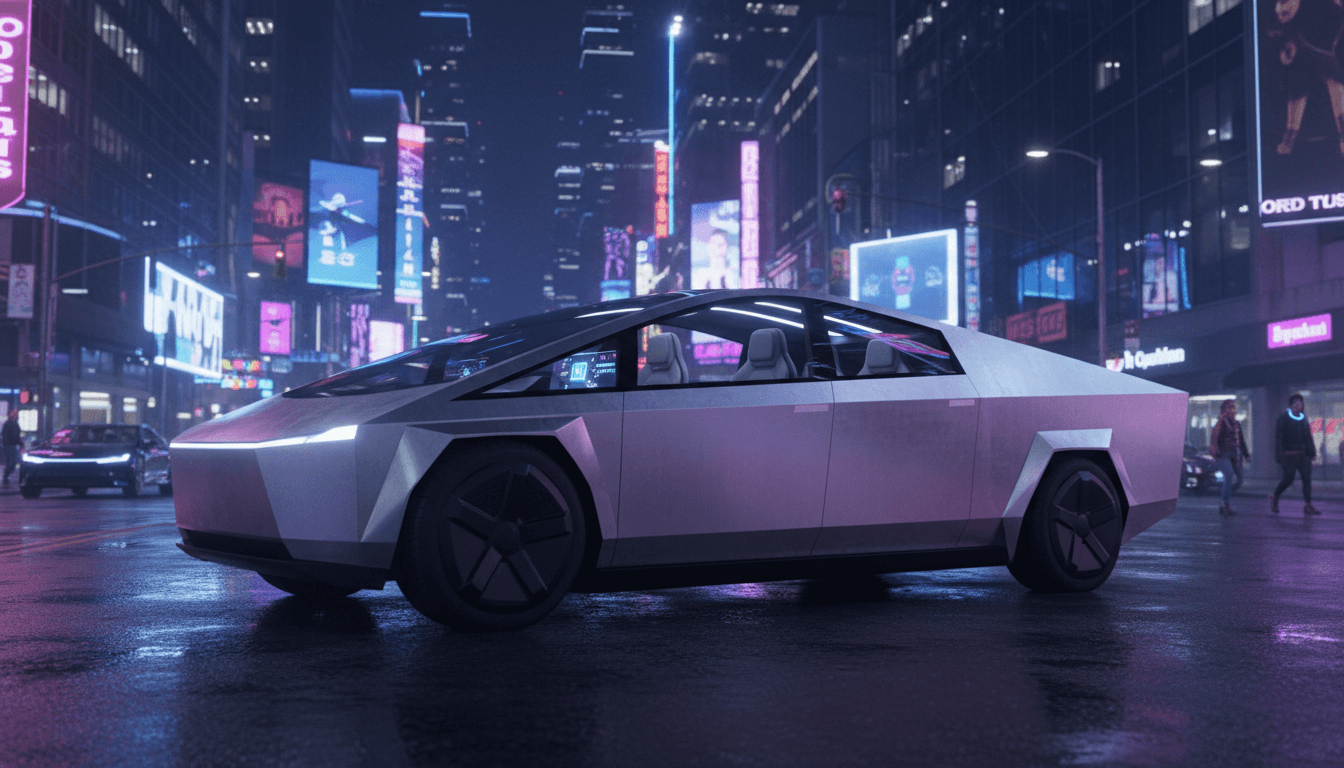
In 2026, the Polish automotive landscape, dominated by Tesla, looks fascinating. The Cybertruck has finally received European homologation after a series of modifications softening its "guillotine-like" edges. This electric battleship accelerates to 100 km/h in 2.7 seconds.
Despite its huge price, it can tow a trailer weighing nearly 5 tonnes. However, it is the "Tesla for the people" project, the mythical Model 2, that truly electrifies Polish housing estates. If the car hits the market at the price of a used Volkswagen, it will change the rules of the game.
When Tesla launches a car at the price of a budget combustion vehicle, European manufacturers may start producing stationary bicycles. No one in their right mind will pay an extra 50 thousand for the "prestige" of a smoking exhaust.
Speculation points to a price of 15,990 US dollars net. In Poland, after adding duty, excise, and 23% VAT, the amount will be around 115,000 – 120,000 PLN. That is the level of a reasonably equipped segment B car with a combustion engine.
A range of 400 km at the base price of a Dacia will put traditional manufacturers against the wall. Checking our catalogue, it is easy to notice that competing electric cars rarely offer such a favourable price-to-technology ratio.
How much does a new Tesla cost in 2026?
In 2026, the Polish price list for new Teslas has become more stable than inflation. Prices start at around 167,600 PLN for the base Model 3. After the facelift, the car has become surprisingly quiet and refined in terms of comfort.
The exclusive Model S costs around 513,390 PLN. It is a choice for company presidents who want to be "eco" but love to shove passengers into their seats every time they pull away. The used car market is also experiencing a real boom.
Certified used Model 3s from 2021-2022 cost from 124,300 PLN. However, it is the Model Y that has dominated driveways at Polish homes. The Long Range version has been priced at 213,200 PLN.
Soon, thanks to FSD, this car will be able to take children to school on its own. Every such Tesla requires appropriate infrastructure, which is why a high-quality charger is today a standard in the modern garage.
Verdict
Elon Musk and his engineers want to convince us that the steering wheel is a relic – just as unnecessary as the crank for starting an engine. The safety statistics clearly speak in their favour, although bureaucracy still cools this enthusiasm.
If you are planning a purchase and want to be part of the technical avant-garde, be sure to check the current catalogue of available models. We stand on the threshold of the greatest revolution in transport since the invention of the steam engine.
Tesla Robotaxi carries a brazen, Californian confidence. It is now forcing open the doors of the US Senate and our garages. Today, electric cars are no longer just a fashion, but an obvious necessity.
My verdict: Buy a Tesla now, while you still have a say. Before the computer decides your driving style is too chaotic to let you even touch the steering wheel.
FAQ – Frequently Asked Questions
Will the Tesla Vision system cope with difficult weather conditions in Poland?
Tesla Vision relies on optics, which means that in extreme conditions the system may limit FSD functionality. However, thanks to advanced image denoising algorithms, the system can "see" vehicle contours better than the human eye. Every Tesla analyses changes in light intensity frame by frame, enabling safe driving in the rain.
When will Cybercab actually appear on European roads?
Cybercab production is set to start in 2026 in the USA. Due to strict homologation regulations in Europe, the Polish debut is expected no earlier than 2027. The main barrier remains the lack of nationwide regulations for cars without a physical steering wheel.
Will Tesla Model 2 actually cost below 120,000 PLN?
The price of 25,000 USD is Tesla's strategic goal. In Poland, the realistic price after transport costs, duty, and 23% VAT should be in the range of 115,000 – 125,000 PLN. The new "Unboxed" platform is set to halve production costs thanks to innovative Gigacasting moulds.
Why is Tesla dropping Lidar while other manufacturers are adding it?
According to Tesla engineers, Lidar is unnecessary. The company stands by the position that the world was designed for creatures that rely on sight. If a human drives a car using only eyes, then an AI system equipped with eight high-resolution cameras should also be able to do so.
What about data privacy from cameras in Tesla cars?
Tesla vehicles use advanced data anonymisation. Recordings sent to servers are not linked to a specific vehicle owner. Image processing takes place locally on the FSD computer, and only relevant fragments of road situations are sent to the cloud for neural network training.
What is the battery lifespan in the new Model Y Long Range?
Modern 4680 cells are designed for approximately 1500 to 2000 full charging cycles. This translates to around 500,000 – 800,000 kilometres of mileage. Every Model Y should therefore survive over 25 years of standard use. To preserve their efficiency, a certified home charger is essential.