Price in Poland – jokes aside
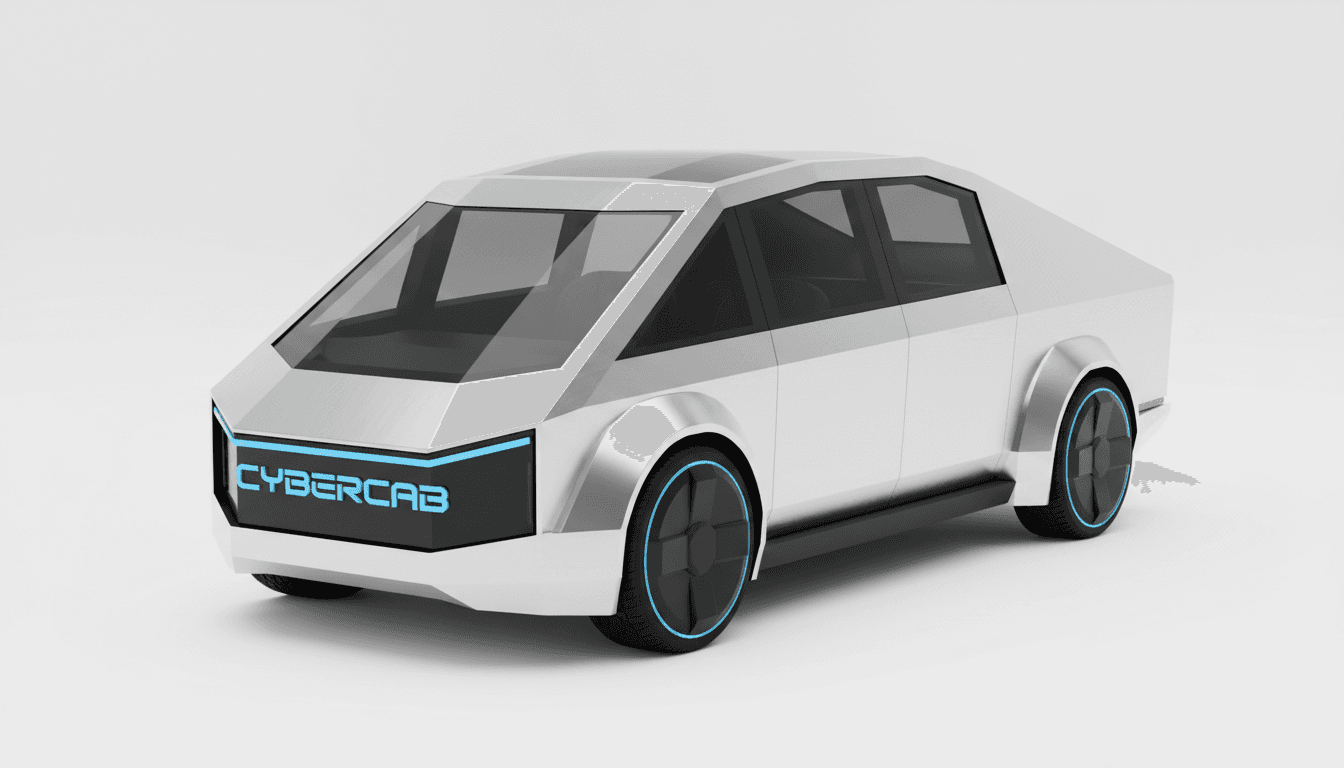
Cybercab in Poland is a topic that stirs emotions. Elon Musk predicted the Cybercab would cost less than 30,000 USD, which according to Polish outlets and the dollar exchange rate translates to roughly 120,000–125,000 PLN. That is ridiculously low for a Tesla – especially one built for full autonomy. Even though Musk has promised wonders before, only to push deadlines further, at this price it is worth asking whether to sign a pact with the future on four wheels.
Technical specs – more sci-fi than reality
An inventive power unit with a capacity of 35 to 44 kWh and a range of between 320 and 400 km – depending on who gave the interview – sounds like a joke, but a fairly convincing one. Add inductive charging (no cables – you drive onto a pad and it charges) reportedly above 90% efficiency and modest energy use of 10–12 kWh/100 km – a cheap, friendly and quiet robot on Polish roads? If Tesla delivers, Polish cities could start to look like Germany in a few years.
Production timeline – pipe dreams or winter plans?
The truth is production is scheduled to start in April 2026, although Musk himself says the start will be "agonizingly slow" – before moving into an "insanely fast" ramp. Poland is more likely to see a legal debut only together with the legislative snail – so in practice the Cybercab could appear on the streets only toward the end of this decade.
What do Poles think about all of this?
Someone wise once said Poland lacks Superchargers – Tesla has only just begun opening its stations to other cars. For now, the infrastructure, service network and regulations are so outdated that the Cybercab would roll onto the streets like a holiday reindeer on a winter highway – noticeable, but barely allowed.
120,000–125,000 PLN is not an astronomical price for the electric taxi of the future.
An automotive diagnosis
In an automotive world that usually resembles a snail race in thick fog, the Cybercab looks like a hyper-fast alleged joke that actually makes sense if you do a small calculation and plug in realistic numbers. 120,000–125,000 PLN is not an astronomical price for the electric taxi of the future. 400 km of range, cable-free charging, autonomous driving – it sounds like a fairy tale, but this is exactly the future arriving faster than the dollar rate at the exchange office.
Will it be available in Poland in 2026? Maybe, if someone throws the regulations out the window and makes a quick legislative stop. Any guarantees? In the car industry, nothing is certain – except a future in which Elon Musk shifts the deadline again.
If the government does not push through milder regulations and build the chargers of the future (without cables), the Cybercab in Poland will become a luxury for wealthy futurists – not a revolution for the average driver. And that will be the real failure of this vision. So – good luck, Elon!
Where the market is heading
As 2026 approaches, it is worth considering how the Cybercab will affect the Polish automotive market. Will it truly become a symbol of modernity, or remain a fantasy? Much depends on technological progress, but also on how quickly Poland adapts to the coming revolution. With a growing number of electric and autonomous vehicles, appropriate legal regulations and infrastructure development will become necessary.
Safety questions must also be addressed. What liability rules will apply to accidents involving autonomous vehicles? Will drivers need special training to use the Cybercab? These are questions still waiting for answers.
The ecological angle cannot be overlooked. As an electric vehicle, the Cybercab has the potential to help cut CO2 emissions, which is key in the fight against climate change. To achieve that, Poland needs to invest in renewable energy sources so that powering these vehicles does not burden the environment.
FAQ (Frequently asked questions)
What are the main advantages of the Cybercab?
The Cybercab's main advantages are full autonomy, low operating cost and innovative inductive charging that removes the need for cables.
When could the Cybercab appear in Poland?
Cybercab production is scheduled to start in April 2026, but its availability in Poland may depend on the introduction of appropriate legal regulations.
What are the expectations for Cybercab infrastructure in Poland?
Charging infrastructure in Poland is currently insufficient, which could be an obstacle to mass adoption of the Cybercab.