The old world's winter catastrophe
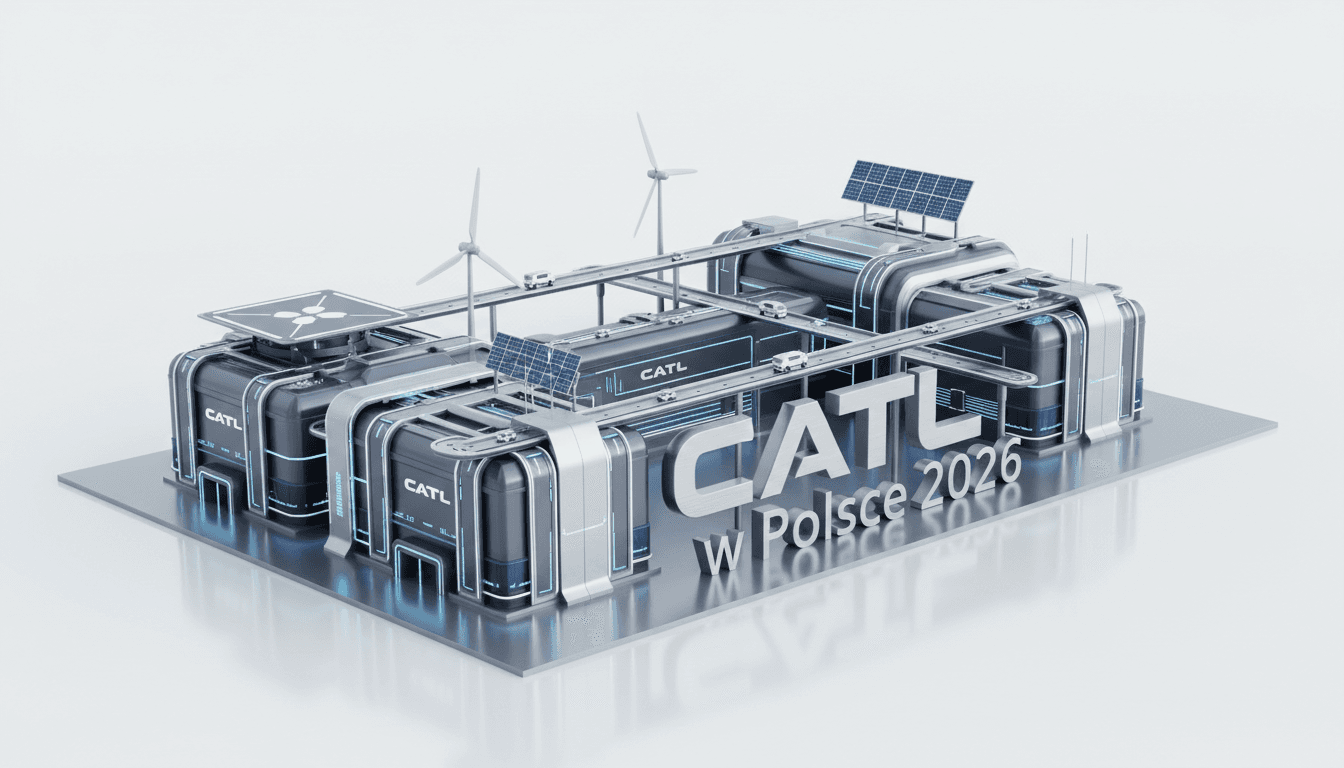
CATL in Poland 2026 is a topic that stirs emotions among automotive enthusiasts. Some claim that driving an EV in winter is like playing roulette with frost. We all know the story: cold snaps, range drops, cabin preheating, hours of charging. Rubbish! CATL is muscling into Poland with a sodium-ion battery that laughs at –40°C, delivering a full 90% of usable energy and starting to charge at –30°C, without any heater or drama.
If anyone still thinks the diesel can be defended, please – go toss your engine into a sauna.
Technology frenzy – what does it actually mean?
This sodium marvel has a 45 kWh capacity and energy at 175 Wh/kg. Add to that the variants: ultra-fast charging from 20 to 80% in 30 minutes at –15°C, and a 253 kWh pack delivering… a casual 800 km of range for trucks. On top of that, three quick-swap modules: 42, 56 and 81 kWh – like LEGO for fleets. Read more about electric cars in Poland.
What will it cost in Poland?
In Poland, amid all this frenzy, the sodium battery is not officially priced (so any conversion to PLN is reading tea leaves). But sodium tech is cheaper – reportedly 30–40% less than LFP, with sodium being a common element whose extraction costs one twentieth of lithium's price. So if LFP (converted) is, say, 800 PLN/kWh, then the sodium equivalent might cost between 480 and 560 PLN/kWh.
Calculation (arrogant, but experimental):
- 45 kWh battery × 500 PLN ≈ 22,500 PLN
- 253 kWh version × 500 PLN ≈ 126,500 PLN
- Swap modules: 42 kWh → ~21,000 PLN, 56 kWh → ~28,000 PLN, 81 kWh → ~40,500 PLN
I don't know if this will be cheaper than diesel (which has been getting pricier because of lithium), but it looks like CATL is preparing a price surprise for us.
Poland vs the rest of the world – who is the competition?
No rivals in sight. Sodium solutions from other makers (BYD, Farasis) are either a niche or a Chinese province; CATL in Poland has not yet published an official price list, but they will be the first to roll out mass sodium production in July 2026. Find out more about market news.
Expert assessment of the situation
So: we have technology that works like a clock even at –40°C, charges like a car wash in 30 minutes, costs (hypothetically) less than LFP, and lets you swap modules as quickly as a snack from a vending machine. If anyone still thinks diesel can be defended, please – go toss your engine into a sauna.
Bombshell
A great revolution is coming. 2026 is the year when Poland may gain access to batteries that combine absurd durability, winter reliability, and a laughably low price. So if you're a fleet that's been afraid of winter – stop. CATL's sodium tech is rolling into Poland and racing the frost. Diesel can be put in a museum.
And I'll tell you this: if it really lands at 500 PLN/kWh in Poland, then it's your wallet – not the climate – that will finally breathe a sigh of relief.
FAQ (Frequently Asked Questions)
What are the main advantages of CATL's sodium-ion battery?
CATL's sodium-ion batteries are characterized by high resistance to low temperatures, retaining 90% capacity at –40°C and offering fast charging. Additionally, they are cheaper to produce than LFP batteries, which can lower purchase costs.
When can we expect sodium batteries to be available in Poland?
Mass production of CATL sodium batteries in Poland is set to begin in July 2026, meaning they will be available on the market shortly after that date.
What are the projected costs of sodium batteries compared to LFP?
Sodium batteries are expected to cost 30–40% less than LFP batteries, which could translate to a price of around 480–560 PLN/kWh in Poland.
What module-swapping capabilities do CATL batteries offer?
CATL batteries offer swappable modules with 42, 56 and 81 kWh capacities, allowing flexible adjustment of range and performance to the needs of fleets and users.