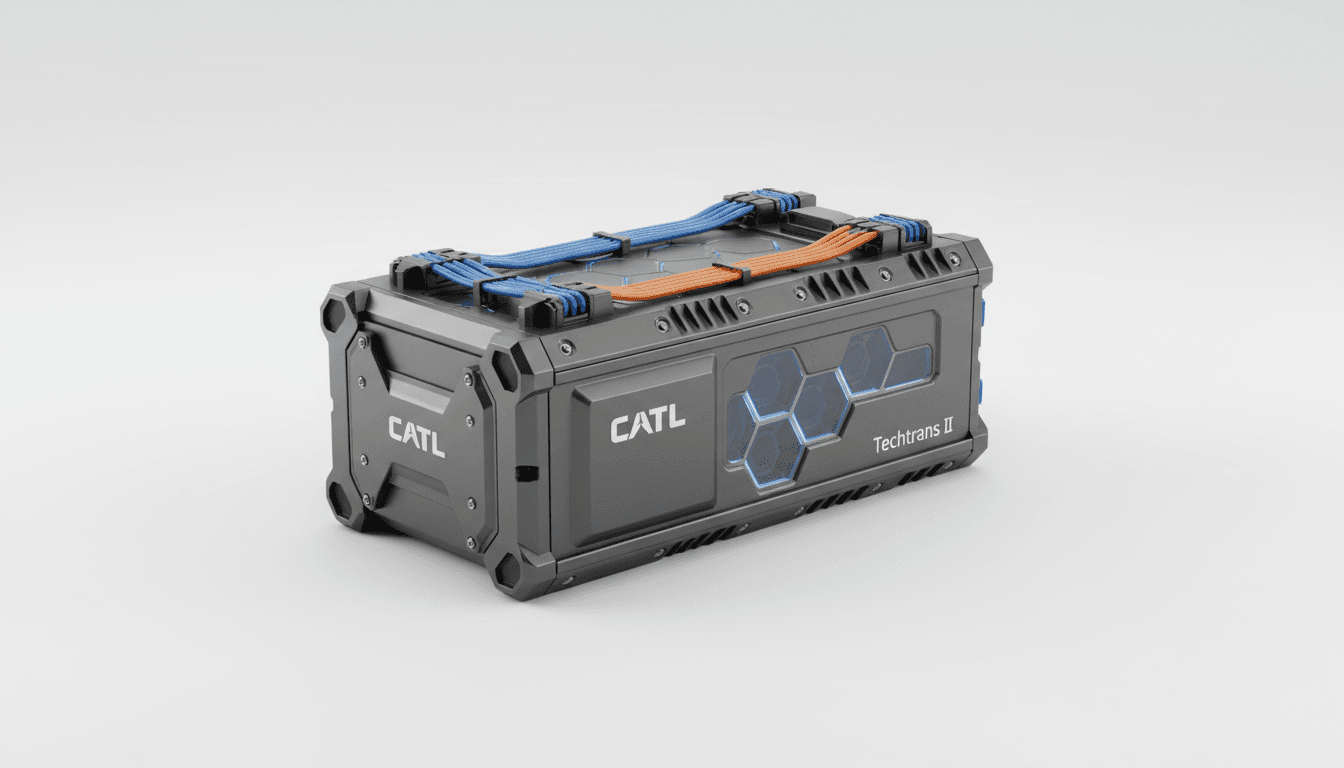
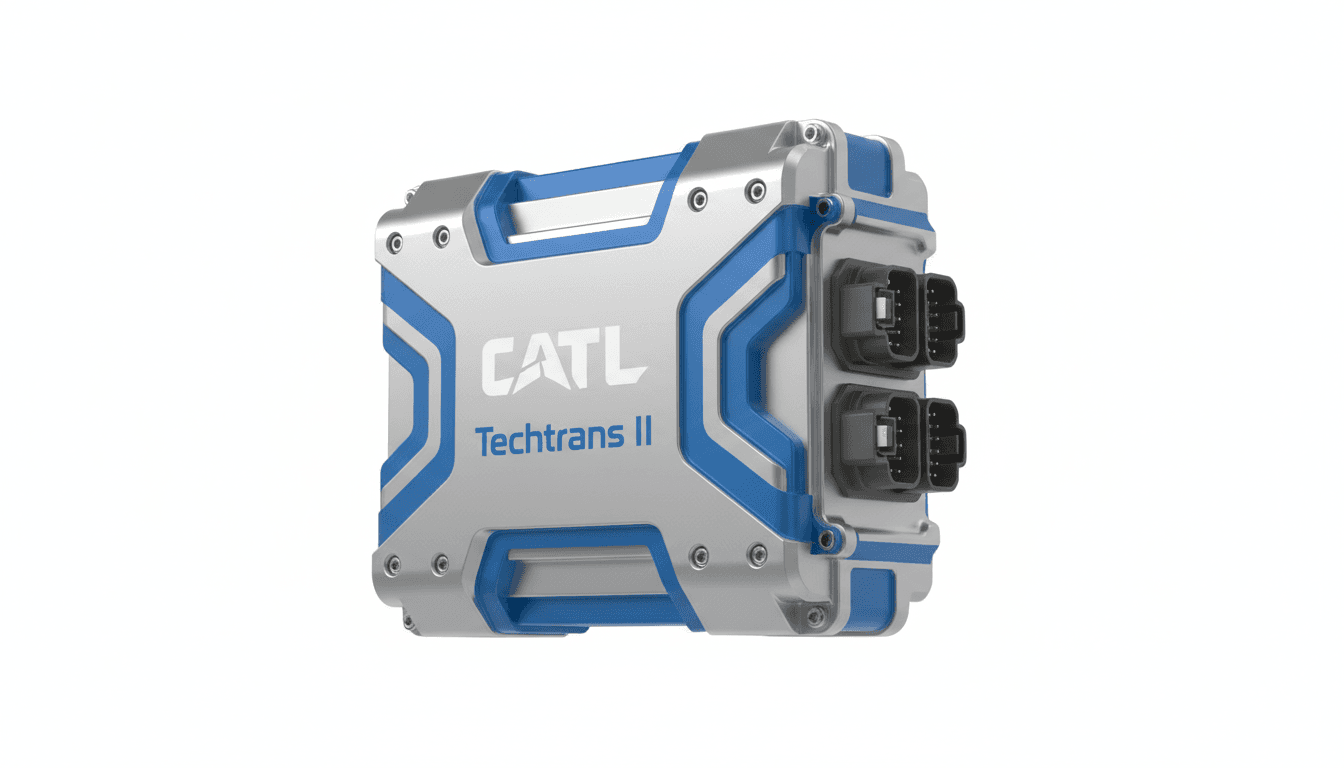
CATL Techtrans II on the offensive: sodium-ion batteries laugh at the Polish frost! Polish winter at -30°C? For the new CATL batteries, it's like a warm cup of tea! The Chinese giant CATL has just kicked off mass production of the sodium-ion Techtrans II packs. Forget the lithium grumblers that sneeze in winter like an old washing machine. These sodium ones hold 90% capacity at -40°C. A revolution or Chinese hype? According to PSPA estimates, this is a game-changer for vans.
Techtrans II: data that hurts the lithium crowd
The new king of the road for light vans and trucks: a 45 kWh pack, ideal for urban duties. But CATL isn't sleeping – a long-distance version up to 253 kWh with a WLTP range of ~700 km (as reported by IBRM Samar). Swappable blocks: 42, 56, 81 kWh – swap like at Orlen, only faster.
- Capacity: 45–253 kWh
- Cycles: >10,000 (30 years in energy storage!)
- Winter: full charging at -30°C, 90% power at -40°C
- Energy density: 175 Wh/kg (on par with Naxtra for passenger cars)
- Certificate: GB 38031-2025
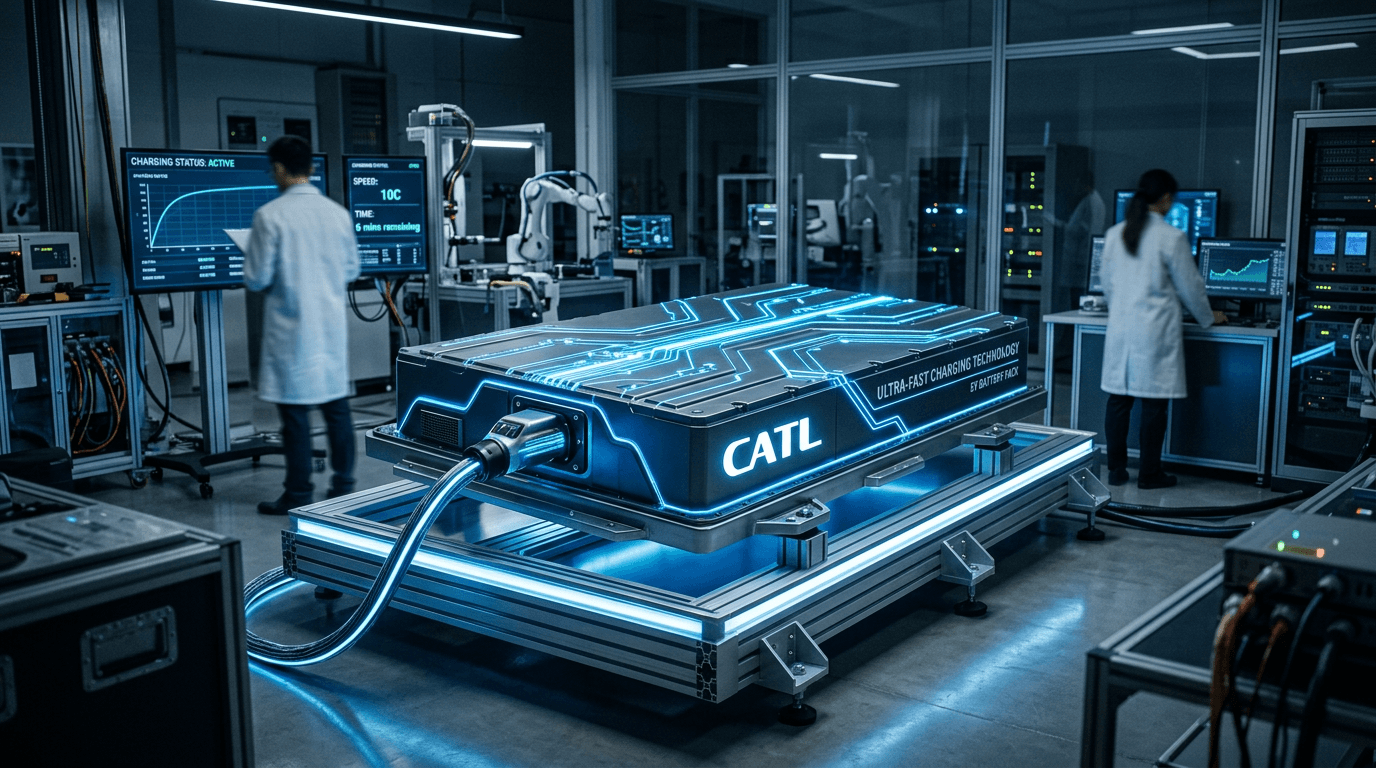
Ultra-fast charge: 20-80% in 30 min at -15°C. TCO? 50% lower than lithium in 2026, because sodium is cheaper than table salt.
Pricing in Poland: sodium cheaper than LFP?
2026 estimates: sodium-ion at 400-500 PLN/kWh, lithium NMC/LFP jumping above 600 PLN/kWh (a 160% rise per market futures). A 45 kWh pack for a van? ~20-25k PLN. Chinese vans with CATL for 150-200k PLN with Mój Elektryk subsidies. LG Wrocław churns out LFP, Northvolt is gasping – will imported sodium wipe the market? Vans with sodium batteries may dominate the market.
Current comparison Poland 2026
Sodium vs Lithium: who wins in Poland?
Lithium? Prices like a rollercoaster – down from oversupply, now up because mines are stalling. Sodium? Cheap, abundant, laughs at frost better than LFP. Downside: lower energy density, but CATL promises parity with LFP. PSPA: "Dual-star trend – sodium + lithium". For energy storage? 10k cycles is a perpetual motion machine!
Verdict: CATL Techtrans II is the tractor that will outrun the lithium Lamborghinis. In Poland 2026: sodium in vans at half the price, 400-700 km WLTP range. Buy Chinese or wait for the EU gigafactory? Revolution is coming – or another hype. Share if you hate expensive lithium!
FAQ (Frequently Asked Questions)
❓ Do CATL sodium-ion batteries really work in a Polish winter?
Absolutely yes! Techtrans II maintains full charging capability at -30°C, which covers even the most freezing Polish winters (record: -41°C in Siedlce, 1940). At extreme -40°C, they retain 90% capacity – LFP lithium loses up to 60% power in such conditions. This means a van driver in Suwałki in February still has a real range of 350-630 km instead of a meagre 200 km with lithium packs. CATL tested these packs in climate chambers for 2 years – data confirmed by the GB 38031-2025 certificate.
❓ How much will a sodium-ion battery replacement cost in Poland in 2026?
A 45 kWh pack for an urban van is estimated at 20-25k PLN (400-500 PLN/kWh × 45-50 kWh with a margin). For comparison: an LFP lithium pack of the same capacity? 27-30k PLN. A larger swappable 81 kWh pack is around 35-40k PLN. The key advantage: 10,000 life cycles means that with average fleet use (150 km/day, 300 days/year), the battery lasts 20-25 years without replacement. TCO drops by half within a decade – courier fleets will work out that a sodium pack pays back in 4 years instead of 8 years with lithium.
❓ Is it worth waiting for European sodium batteries instead of buying CATL?
Northvolt promises sodium packs… from 2030. Meanwhile, CATL is already in mass production NOW – the first batch of 20,000 packs goes to JAC and Chery in Q2 2025. The Polish market? Imports from China through distributors like Wielton/Solaris/Autosan from the start of 2026. European gigafactories (ACC, BASF) are still tinkering with LFP lithium – sodium is only on their roadmap for 2028-2029. The choice: you buy a Chinese van for 170k PLN with the Mój Elektryk subsidy in 2026, or you wait 4 years for a 15% European premium. The math is brutal: the Chinese sodium van pays back by 2030, the European one… maybe by 2034. Patriotism? Noble. Wallet? Less so.
❓ What are the real-world ranges of vans with CATL sodium-ion batteries in Polish conditions?
WLTP is one thing, Polish roads another. An 81 kWh pack gives ~400 km homologated, but in reality: summer highway at 120 km/h = 320 km, winter city with heating = 280 km. The 253 kWh version for heavy trucks? WLTP says 700 km, in practice with a full load: 550-600 km summer, 480-520 km winter. The key difference vs lithium: CATL sodium packs lose only 10-15% of range in frost, LFP lithium loses 30-40%. Example: a Sprinter with an 81 kWh sodium pack in winter = 280 km, the same one with LFP = 220 km. For an InPost courier doing 200 km/day? Sodium pack = peace of mind, lithium pack = nervous battery-watching.