Electric vehicles (EVs) are gaining popularity, and their development is supported by appropriate legal regulations at the national and international levels. Introducing legislation tailored to electromobility is key to meeting global climate and technological challenges. What does current law on electric vehicles look like, and what issues still need to be addressed?
1. Legal incentives for electric vehicle users
Law plays an important role in promoting electric vehicles through a variety of reliefs and incentives:
- Fee exemptions: in Poland, electric vehicles are exempt from excise duty, which lowers their initial price. Many cities offer free parking and access to restricted traffic zones.
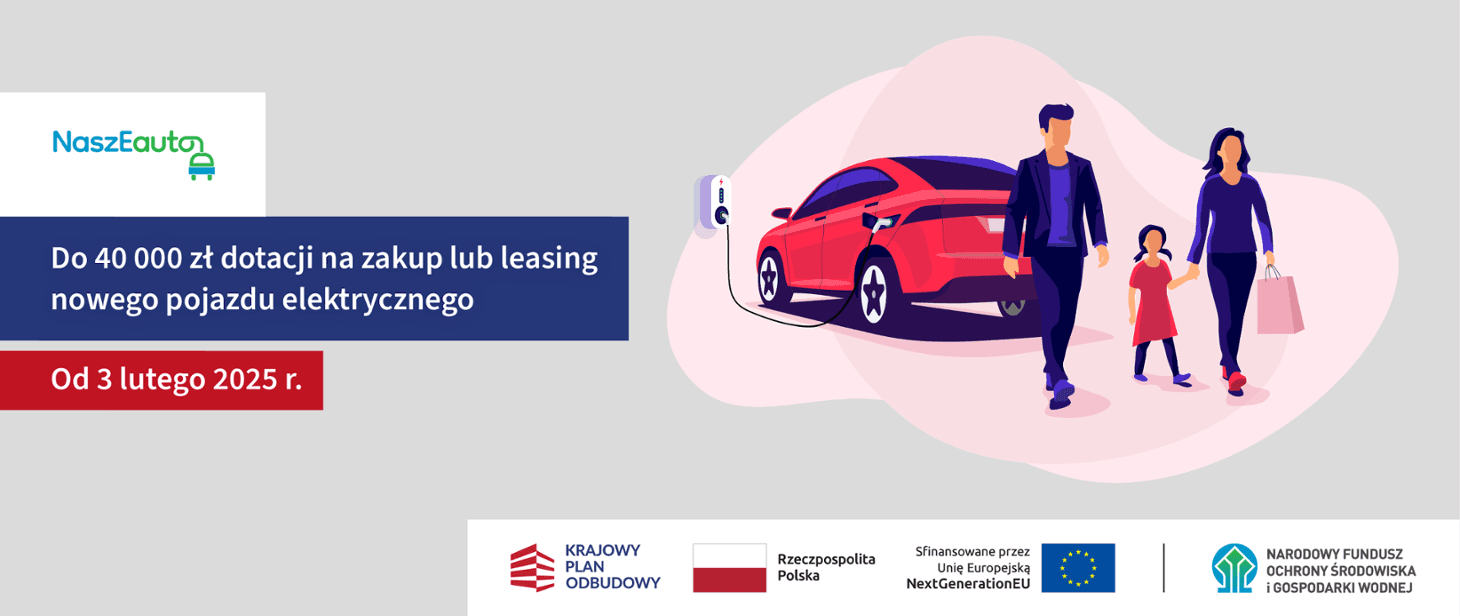
- Subsidy programmes: funds such as "Mój Elektryk" provide co-financing for individuals, entrepreneurs, and local governments for the purchase of electric vehicles.
- Infrastructure investments: regulations require the construction of public charging networks, and new buildings must be adapted for charger installations.
2. Emission standards and the phase-out of combustion vehicles
In response to EU directives, many countries, including Poland, have committed to implementing exhaust emission standards that promote EV development:
- Gradual restrictions on combustion car sales: from 2035, the European Union will ban the registration of new vehicles with combustion engines.
- Emission targets: car manufacturers must meet stringent CO₂ emission standards. Exceeding these standards results in heavy financial penalties.
3. Infrastructure requirements and municipal obligations
The law places responsibility on local authorities and developers for the development of charging infrastructure:
- Charging stations: the Electromobility Act requires every municipality with more than 100,000 residents to maintain a defined number of public charging points.
- Technical standards: all new charging stations must comply with EU standards, ensuring compatibility with various EV models.
4. Legal challenges related to battery recycling
One of the biggest legal challenges remains responsibility for used batteries from electric vehicles:
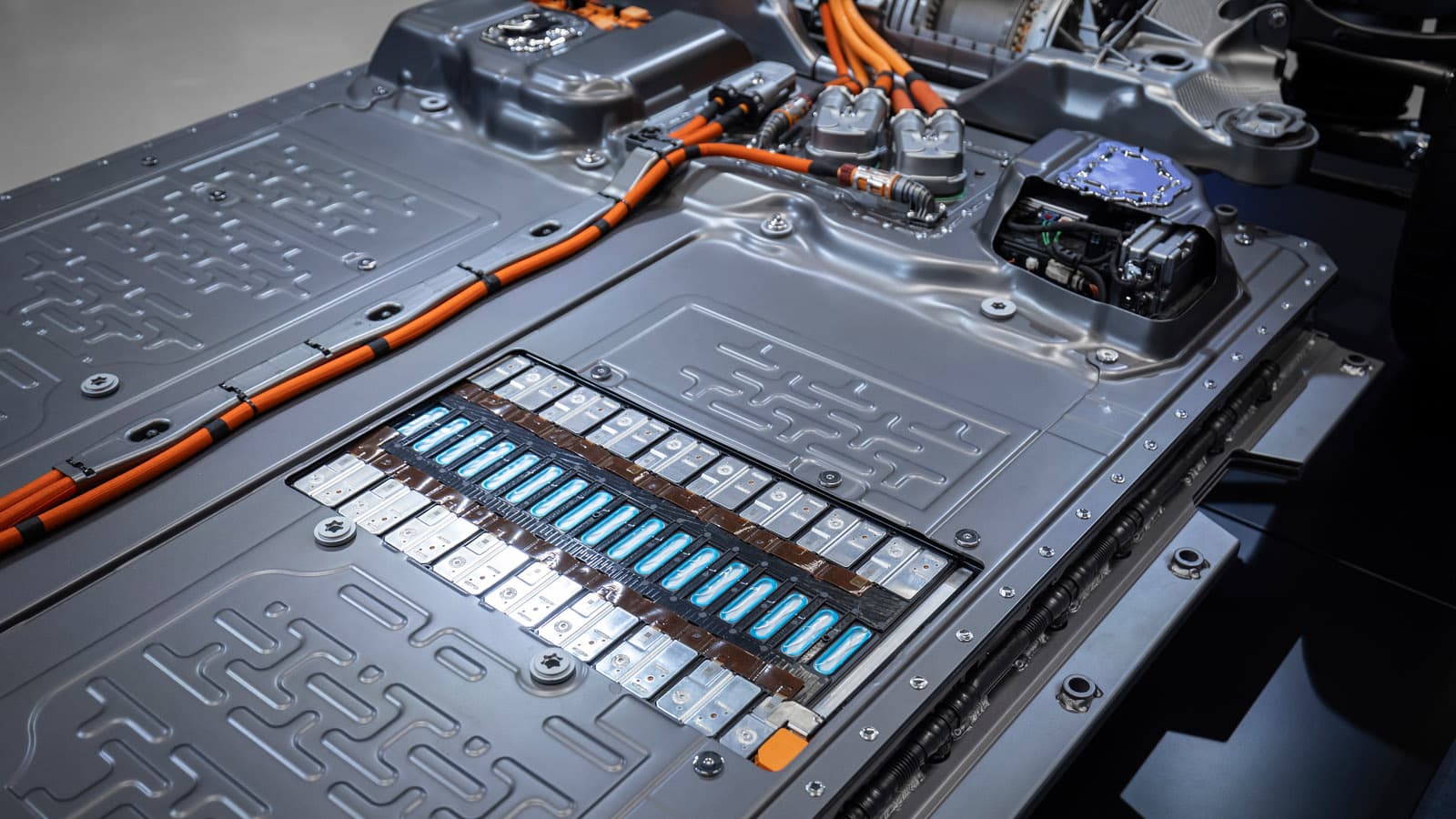
- Recycling law: the EU requires vehicle and battery manufacturers to organise collection and recycling systems for lithium-ion batteries.
- Battery carbon footprint: manufacturers must document the CO₂ emissions generated during battery production, supporting a sustainable economy.
5. Prospects for the development of electromobility law
The law on electric vehicles is constantly evolving. In the future we can expect:
- New tax incentives: possible introduction of additional reliefs, such as VAT exemptions on electric vehicles.
- Development of smart charging networks: regulations may require integration of charging stations with smart energy grids to increase energy efficiency.
Summary
The law on electric vehicles plays a key role in transforming the automotive market and pursuing climate neutrality. By supporting infrastructure development, introducing incentives, and implementing emission-limiting regulations, legislation contributes to the popularisation of electromobility. Challenges such as battery recycling and technology standardisation still need attention, but the direction of legal development clearly indicates that electric vehicles are the future of motoring.