The year 2025 marks a period of intensive development in electric vehicle battery technology. Manufacturers are investing billions of dollars in innovations designed to extend range, shorten charging times and improve battery durability. What changes can we expect in the near future?
1. Solid-state batteries – is this the breakthrough?
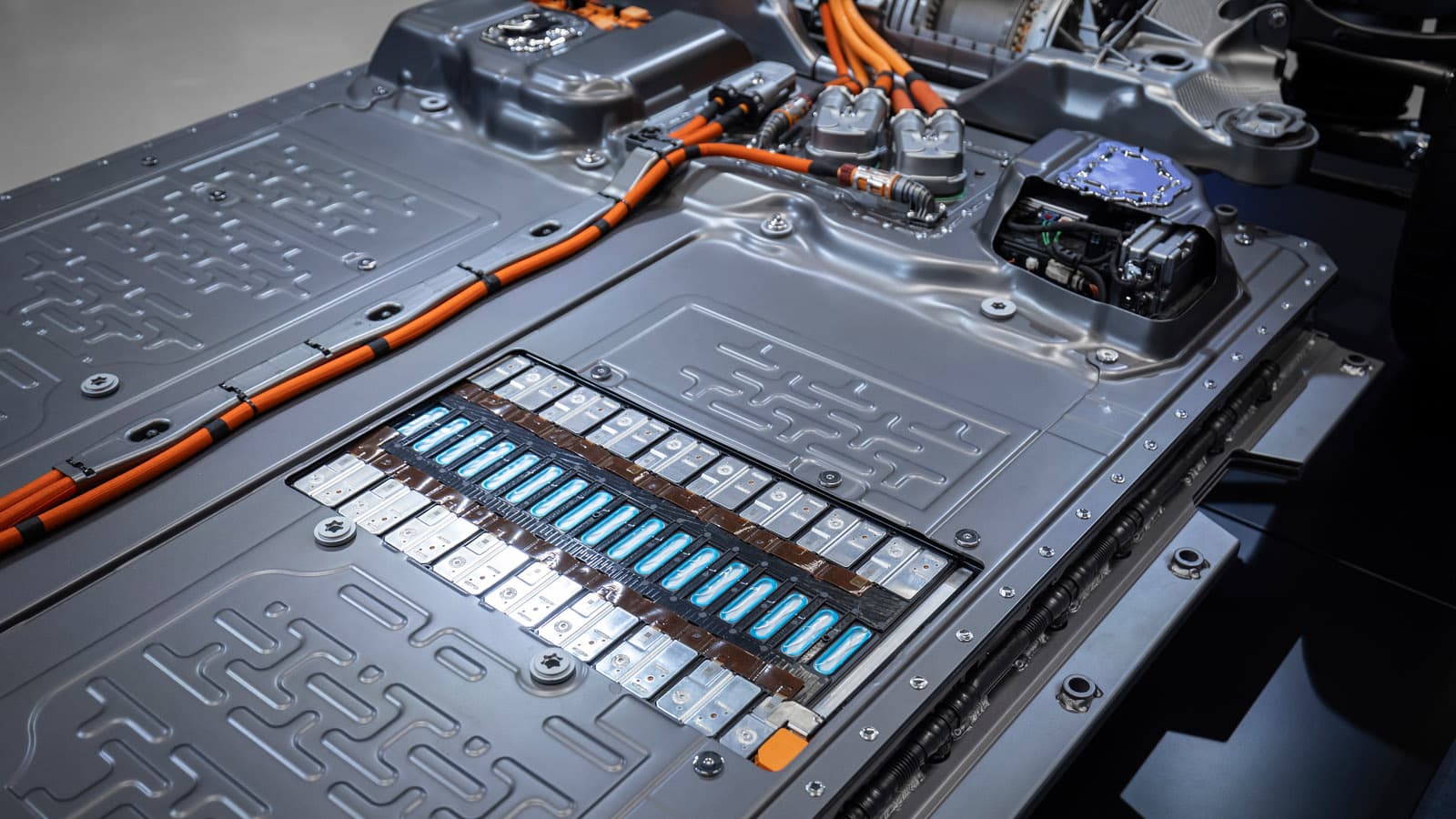
Solid-state batteries have been talked about for years as a revolution in electromobility. In 2025, we can expect the first commercial models equipped with this technology. Solid-state batteries are expected to offer:
- Higher energy density, which will translate into longer vehicle range.
- Shorter charging time, down to just a few minutes.
- Greater safety, eliminating the risk of overheating and spontaneous combustion.
2. New cathode materials and silicon anodes
The currently dominant lithium-ion batteries are still being refined. The latest research focuses on using silicon anodes instead of graphite ones, which multiplies their capacity several times. In addition, new cathodes based on nickel and manganese allow for a reduction in the use of cobalt – a mineral that is expensive and environmentally problematic.
3. Ultra-fast charging – the new standard in 2025?
Another potential revolution is ultra-fast charging. Today's technologies allow charging a battery to 80% in about 20 minutes, but by 2025 we can expect systems that enable a full charge in less than 10 minutes. The key changes include:
- New electrodes with increased conductivity.
- Advanced thermal management systems, protecting the battery from overheating.
- An expanded charging infrastructure with capacities exceeding 500 kW.
4. Recycling and the second life of batteries
The growing number of electric cars also means a greater demand for recycling used batteries. In 2025, the development of raw material recovery methods will become a priority. Increasingly, solutions are also being implemented that enable older batteries to be used for energy storage in power grids.
5. New market players and collaborations between giants
Traditional car manufacturers are partnering with technology companies and startups to accelerate the development of modern cells. In 2025, we can expect new players to enter the market, such as technology industry giants and state-owned energy groups.
Summary
The future of batteries in electric cars looks promising. New technologies have the potential to eliminate the biggest pain points of electromobility: limited range and long charging times. Will 2025 turn out to be a breakthrough year? Everything points to yes!