Switching to an electric car is a real revolution for many people. As the latest research shows, drivers who have tried driving an EV rarely go back to combustion vehicles. What makes EVs (Electric Vehicles) so popular, and why can't users imagine returning to traditional cars?
Only 1% of EV drivers go back to combustion – survey results
A study conducted by Global EV Alliance among more than 23,000 drivers from 18 countries, including the USA, Canada, France, India, and Brazil, produced strikingly clear results.
- 92% of drivers declare that their next car will also be electric,
- Only 1% consider returning to a combustion (ICE) car,
- Another 4% would choose a plug-in hybrid (PHEV).
Why do drivers choose EVs?
The main reasons for sticking with electric cars are:
- Lower running costs (45%) – no spending on fuel, oil, or frequent technical inspections.
- Climate friendliness (40%) – EVs emit no exhaust, which limits the carbon footprint.
- Better local environmental impact (32%) – less noise and cleaner air.
- Comfort and driving characteristics (21%) – quiet and smooth driving is standard in electric cars.
- Lower servicing costs (18%) – fewer mechanical parts mean fewer breakdowns and cheaper repairs.
EVs in everyday use – unbeatable comfort
Anyone who has driven an electric car knows that the difference compared with traditional combustion vehicles is huge. Quiet, nearly silent driving, no vibrations, and instant torque make travelling by EV a real pleasure. "Getting into a combustion car is like travelling back in time", writes user EV_Wisconsin, who has already covered 100,000 miles in an EV, equivalent to 4 trips around the equator.
Lower costs and extra incentives
Manufacturers such as Tesla offer attractive promotions, e.g. three months of free charging at Supercharger stations. Combined with lower electricity costs, using an EV becomes far cheaper than refuelling with petrol or diesel.
What's more, thanks to government programs such as the US tax credit of $7,500, the prices of electric cars are aligning with those of their combustion counterparts. In many cases, EVs turn out to be even cheaper!
Record-breaking electric car sales
Global EV sales are breaking successive records. Data from Rho Motion show that more than 1.7 million electric cars were sold worldwide in October. China continues to dominate the market, accounting for 1.2 million vehicles sold.
Growing demand in the USA and Canada
Electric car sales in the USA and Canada grew by 9% year on year. The EV market is developing dynamically, attracting an increasing number of customers. New electric car models are gaining popularity, standing out with modern design and technology. An example is the Honda Prologue, which is winning recognition on the market. Attractive offers and growing EV availability are further driving this trend. Demand for electric cars continues to grow, and its pace shows no signs of slowing down.
The future of EVs: cheaper, faster, smarter
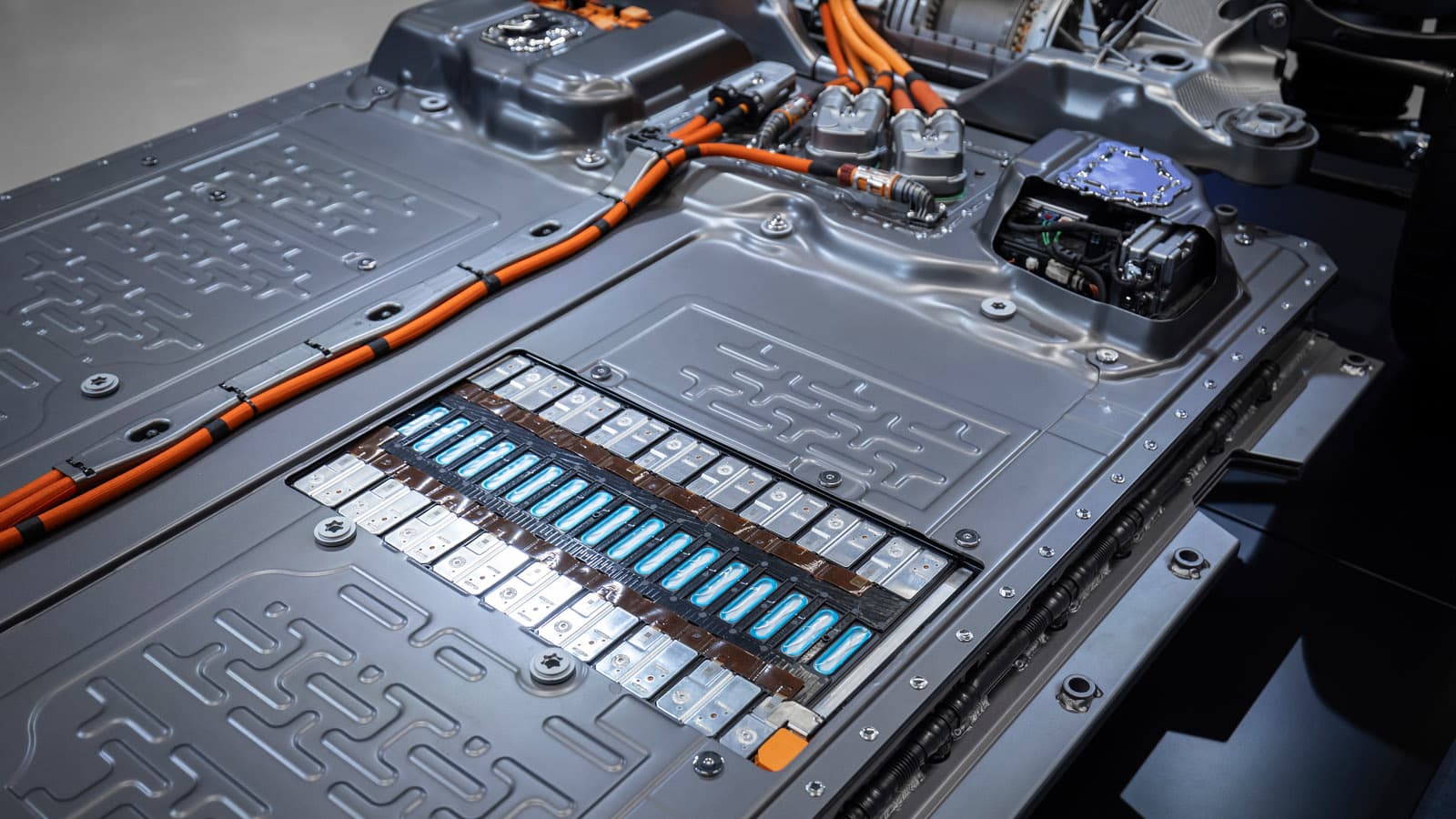
Electric car battery prices are falling at a record pace, which significantly lowers EV production costs. Cheaper batteries make EVs increasingly affordable for a wide audience. EV manufacturers are taking advantage of this trend by introducing more competitive models to the market. At the same time, technological progress enables the creation of more efficient and intelligent vehicles.
Modern electric cars already outperform their combustion counterparts in terms of performance and technology. Acceleration, smoothness of driving, and silent motor operation are features that distinguish EVs from traditional vehicles. The development of new technologies, such as innovative software and advanced energy management systems, further raises their efficiency. Investment in modern batteries enables greater EV range and shorter charging times.
The future of electric cars looks promising. Growing availability, lower running costs, and the expansion of charging infrastructure are making EVs the first choice for many drivers. The introduction of advanced technologies, such as autonomous driving systems and intelligent software, will further increase their appeal. Everything indicates that electric cars will continue to evolve, offering even better performance, greater efficiency, and more ecological solutions.
This is just the beginning of a revolution that will completely transform the automotive industry over the coming years.
Summary: Is it worth switching to an EV?
If you have not yet tried driving an electric car, it is worth considering this option. EVs are not just the future – they are already the present: more comfortable, economical, and environmentally friendly.
What about you? What do you value most in your electric car? Is there anything you would like to change? Share your opinion in the comments below!