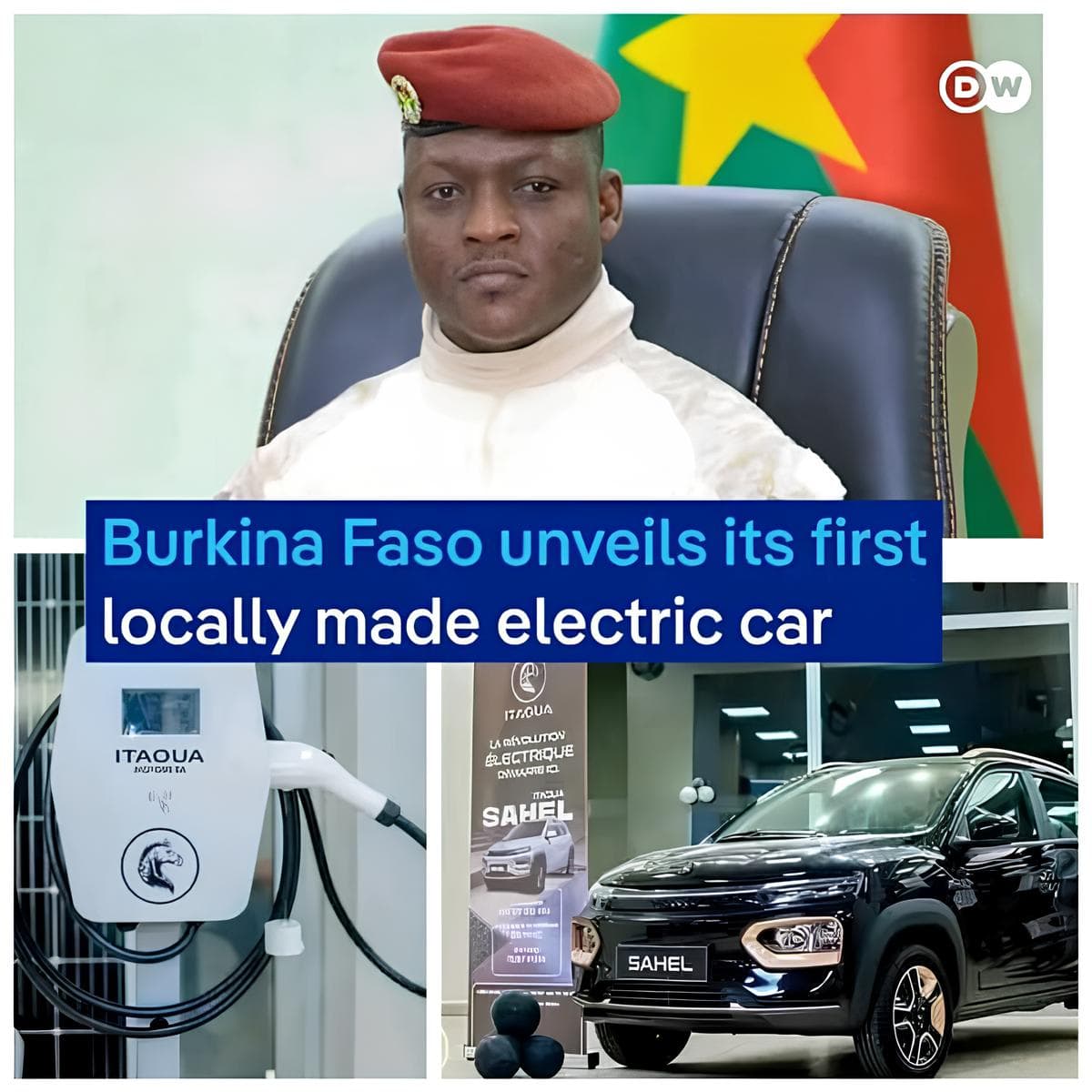
Burkina Faso has marked a historic moment as the first country in Africa to create and unveil a locally assembled electric car brand – Itaoua. The ambitious project aims to reduce dependence on fossil fuels, boost the local economy, and protect the environment. For a country previously known mainly for agriculture, this is a major step toward modernity.
Africa bets on electricity
Itaoua is the result of cooperation between Burkinabè engineers, technical universities, the government, and the private sector. The idea of a domestic car brand did not come out of nowhere – environmental needs and rising fuel costs motivated local leaders to act. Burkina Faso wants to be not only a recipient but also a creator of innovation.
As the project creators emphasize, the Itaoua vehicles were designed with African conditions in mind. This means durability on rough roads and in extreme temperatures, as well as access to energy. That is why the battery can be charged using solar panels – a simple and practical solution in regions where the electricity grid is often unstable.
What does Itaoua offer?
Itaoua vehicles are intended to be available to both city dwellers and rural residents. The key technical specifications are impressive:
- Range of up to 250 km on a single charge – ideal for daily commutes.
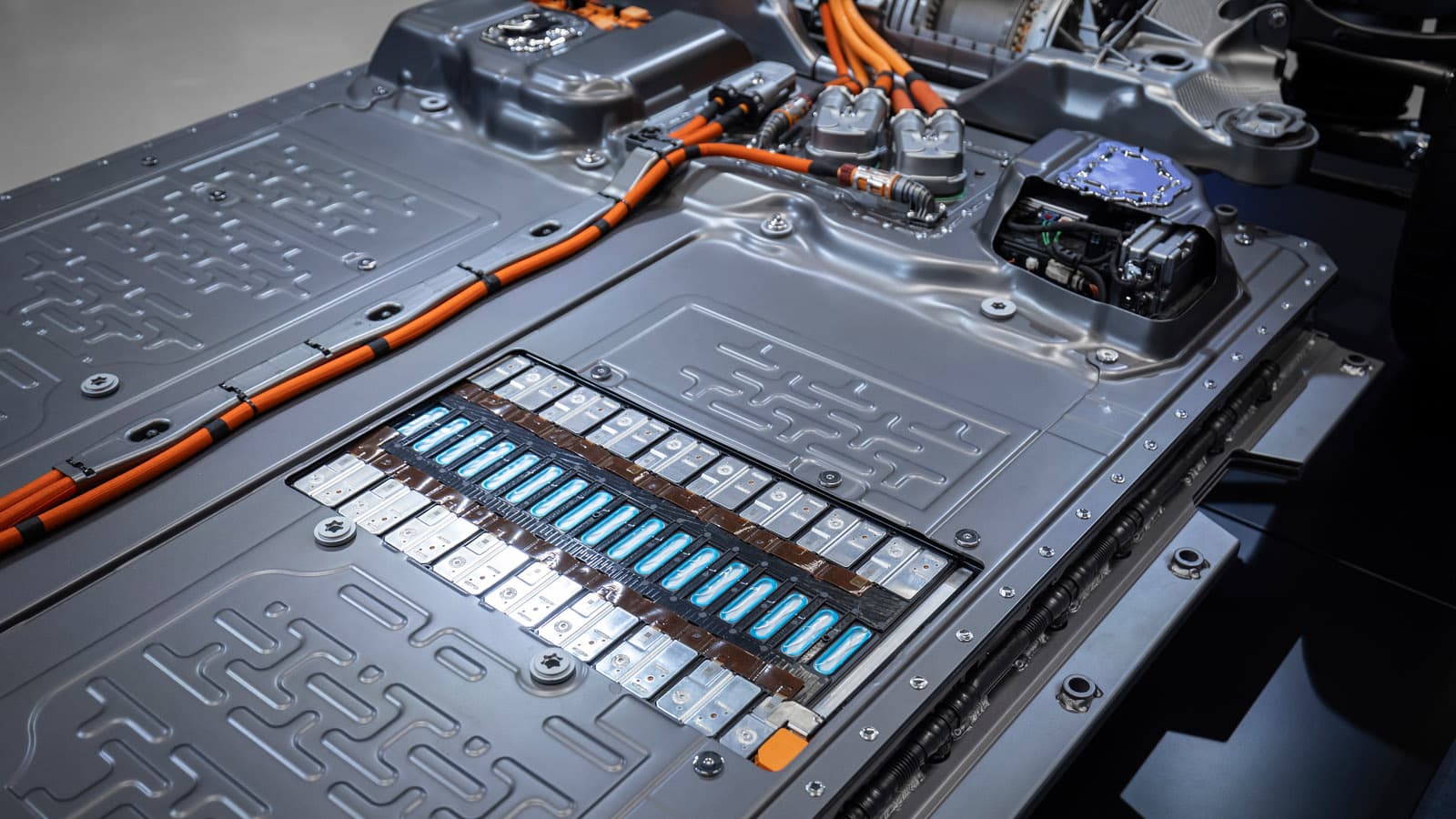
- Energy-efficient battery that can be charged using solar energy.
- Solid construction, resistant to dust and high temperatures.
This is a car that combines innovation with a practical approach to the needs of local drivers.
New jobs and economic development
The Itaoua launch is driven not only by environmental ambitions. It is also a major opportunity for the Burkinabè economy. The assembly plant already employs hundreds of workers, and the project creates jobs in related industries such as servicing, logistics, and technical training.
The government of Burkina Faso actively supports the development of e-mobility by offering tax breaks for companies and individuals investing in this sector. In addition, a plan has been announced to build a network of charging stations across the country.
The Minister of Industry stressed in an interview that the Itaoua project is of strategic importance for the country's future. – "We want Burkina Faso to become a leader in sustainable development technology in Africa," he said.
A step toward climate protection
Climate change is one of the biggest challenges facing Burkina Faso. High temperatures, droughts, and unstable weather conditions make life difficult for millions of people. Introducing electric cars is one of the solutions that can help reduce carbon dioxide emissions and lessen dependence on oil imports.
International organizations, such as the African Union, have already expressed interest in the Itaoua project. It could become a model for other countries seeking ways to achieve sustainable development.
Challenges remain
Although the brand launch has generated a lot of enthusiasm, Itaoua still faces several challenges. First and foremost is infrastructure – there are still too few charging stations, and the electricity grid can be unstable. Another challenge is convincing consumers to change their habits. Traditional fuels are still the dominant energy source, and electric cars are a novelty for many.
However, the government and entrepreneurs are determined to make the project a success. They have announced further investments in infrastructure and in educating the public about the benefits of e-mobility.
A breakthrough for Burkina Faso and Africa
The introduction of the Itaoua brand is a breakthrough moment not only for Burkina Faso but for the whole of Africa. It proves that the continent is ready to invest in modern technologies and to take an active part in the global fight against climate change.
If the project develops as planned, Itaoua could inspire other countries to launch similar initiatives. Perhaps soon we will see more locally produced electric cars on African roads. One thing is certain – Burkina Faso has sent the world a clear signal: Africa is ready for a technological revolution.