E-mobility, the shift toward electric vehicle transport, is a cornerstone of the energy transition and the fight against CO2 emissions. Discover the main advantages of electric cars, the state of charging infrastructure, and the challenges that still hold back EV adoption.
EvCompass Editorial TeamPublishedUpdated3 min read
E-mobility, or the development of transport based on electric vehicles, is one of the key elements of the energy transition and the fight against carbon dioxide emissions. As the world faces the challenges of climate change and air pollution, electric cars (EVs) are becoming increasingly popular. But what makes e-mobility so widely recognized?
Advantages of Electric Cars
Environmental Impact
One of the main arguments in favor of electric vehicles is their impact on the environment. Unlike combustion-engine cars, EVs emit no carbon dioxide or other harmful substances while driving.
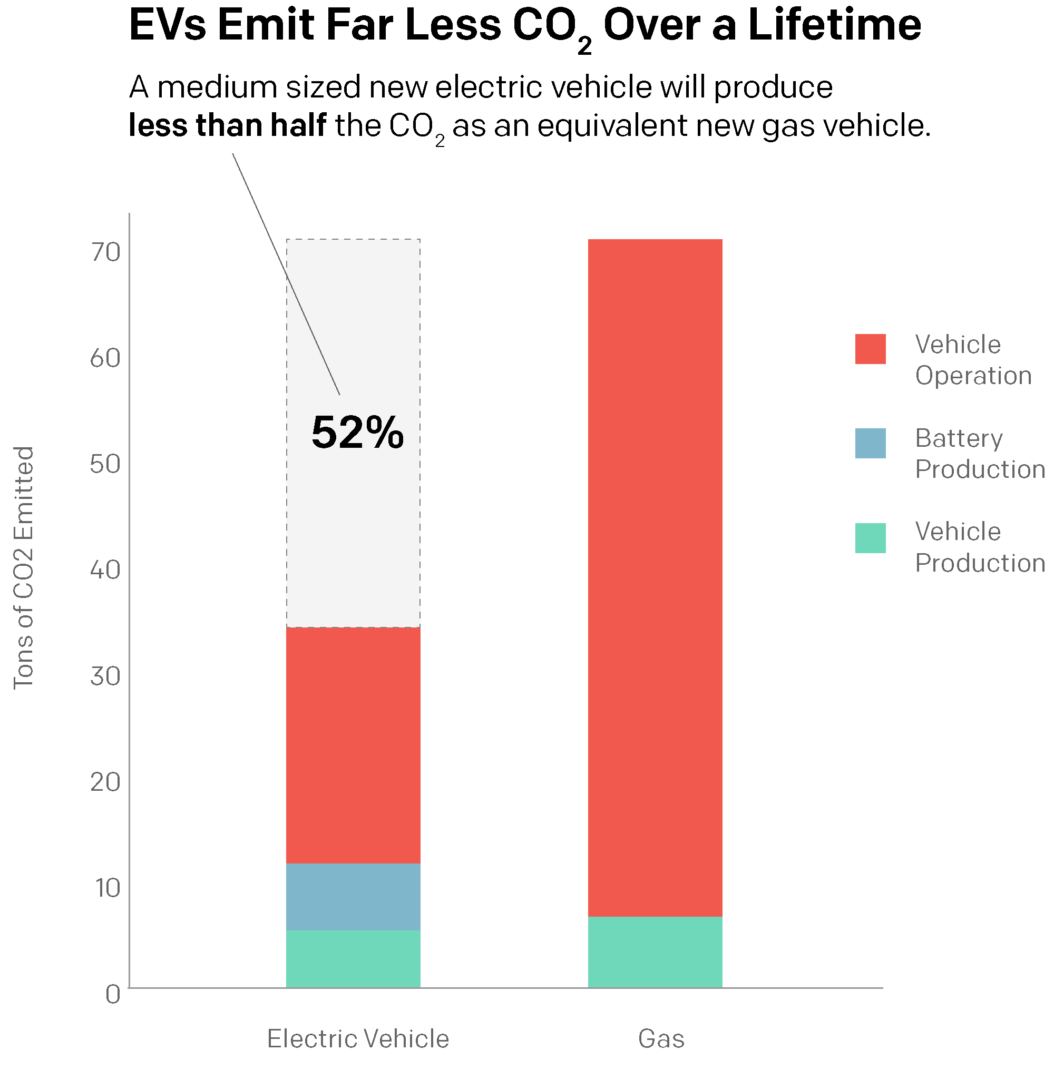
The chart above shows that an average new electric vehicle emits 52% less carbon dioxide over its full life cycle than a comparable combustion-engine vehicle. Although battery production increases CO2 emissions at the initial stage, operating electric vehicles is significantly more eco-friendly thanks to zero tailpipe emissions while driving.
Operating Costs
Although buying an electric car can be more expensive than a conventional one, running costs are considerably lower. Charging the vehicle is cheaper than refueling with fuel, and electric powertrains are less failure-prone and require less servicing.
Quiet and Comfortable
Electric vehicles offer quiet and smooth driving, which significantly improves travel comfort. The lack of engine vibration and noise is a feature appreciated by users around the world.
Charging Infrastructure
The development of charging infrastructure is a key factor in popularizing e-mobility. In Poland, as in many other countries, more and more charging stations are being built, making electric travel increasingly convenient. Companies such as Ionity, GreenWay, and Tesla offer fast chargers, while local initiatives support network growth in smaller towns.
The Future of the Automotive Industry
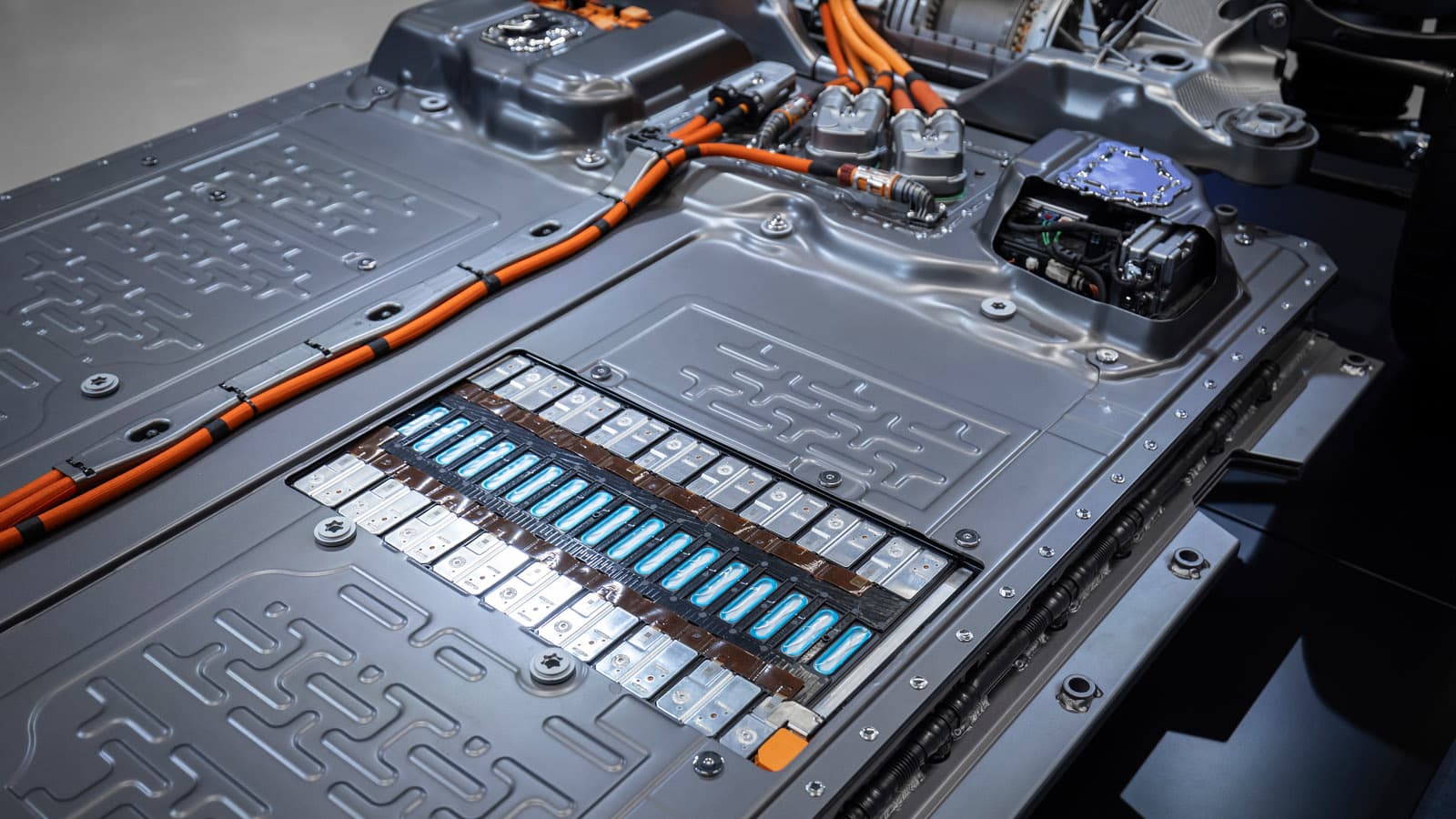
More and more car manufacturers are declaring a transition to producing only electric models in the coming decades. Volvo, General Motors, and Ford have already announced plans to end production of combustion-engine vehicles. Advances in battery technology, such as lithium-ion cells and future solid-state batteries, herald a revolution in vehicle range and charging speed.
Challenges and Barriers
Although e-mobility is developing dynamically, it is not without challenges. High upfront costs, limited range, and a lack of sufficient charging stations in some regions are just some of the barriers that consumers and the industry must face.
Summary
E-mobility is not just a technological novelty but also a necessity in the context of global environmental challenges. The shift to electric cars is a key step toward more sustainable development. Every EV purchase, every new charging station, and every innovation in battery technology brings us closer to a world where transport does not harm our planet.
Are you ready for the change? The future is electric!
2025 marks a period of intensive development in electric vehicle battery technology. Manufacturers are investing billions of dollars in innovations designed to extend range, shorten charging times and improve battery durability. Discover what changes are coming in solid-state batteries, ultra-fast charging and recycling.
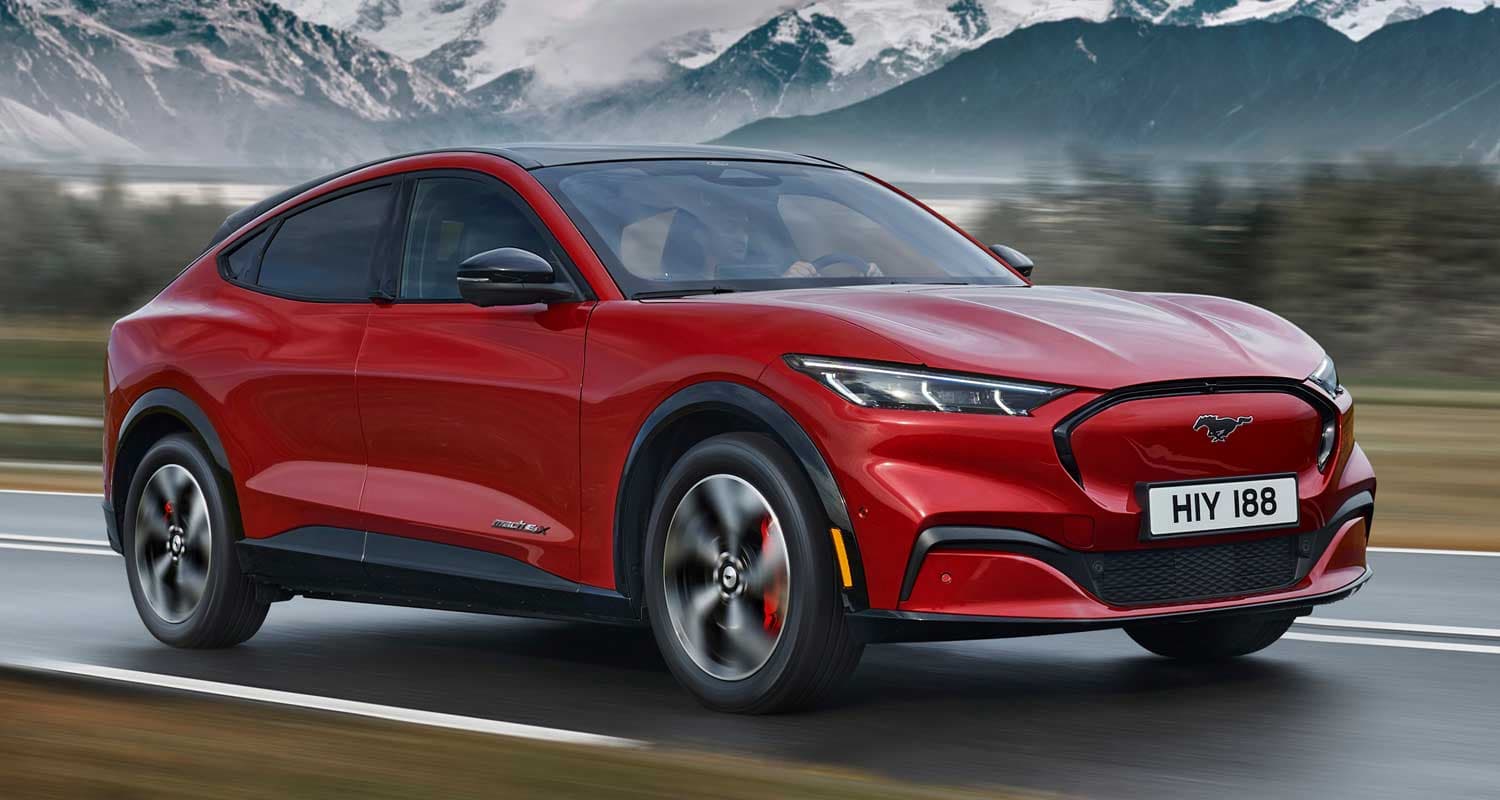
The Mustang Mach-E redefines the legacy of the iconic Mustang, blending sporty character with electric power. Explore its design, performance, variants, technologies and eco-friendly nature.
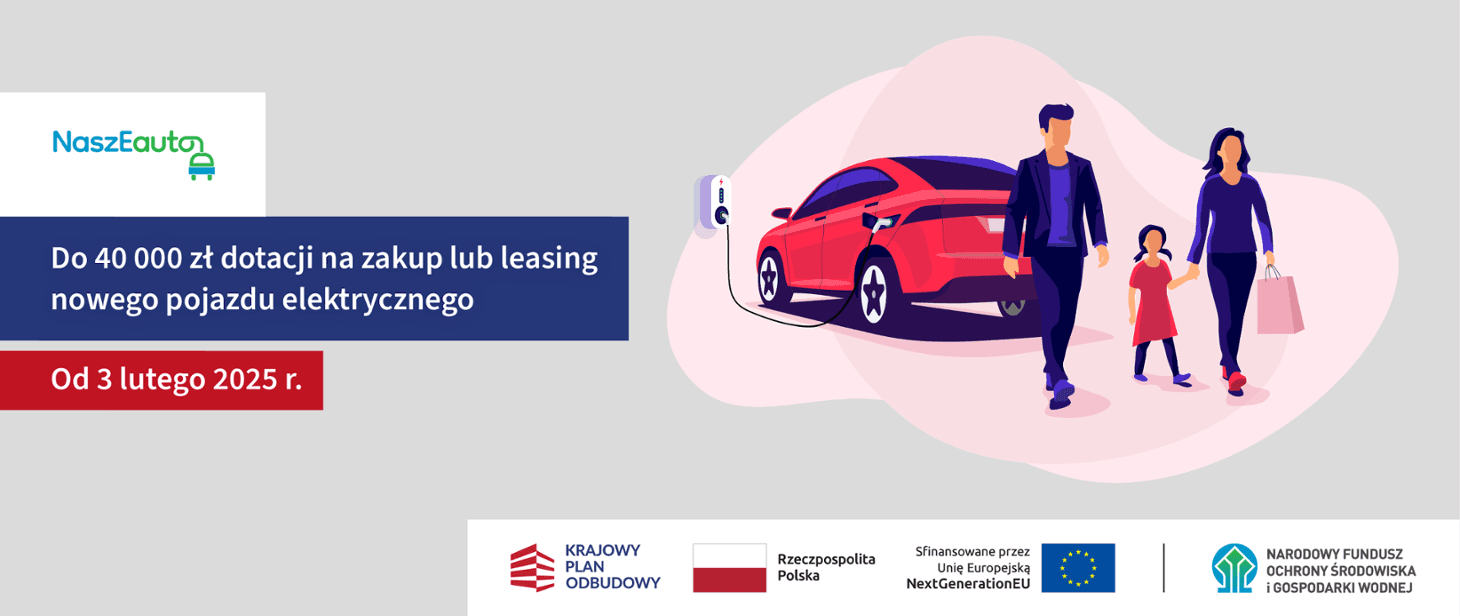
The “NaszEauto” program offers subsidies of up to PLN 40,000 for purchasing or leasing an electric car. Find out who is eligible, the program budget, and how to apply via gov.pl.