China's EV battery revolution: from solid-state to 1500 km of range
China sets the pace for EV battery development. A look at solid-state tech from Chery, CATL, NIO and BYD, plus expansion plans for European markets.
EvCompass Editorial TeamPublishedUpdated4 min read
From Solid-State to 1500 km of Range – What's Next?
I always follow news from the Far East with excitement, because it is China that sets the pace in battery development and electric vehicles. Today I want to tell you about the latest innovations that could completely change the game. Based on industry reports, including from the Polish portal Autokult, as well as international sources like InsideEVs and CN EV Post, we'll take a look at a new type of battery that promises science-fiction ranges. The Chinese are not idle – their appetite for dominance in the EV sector is huge, and their plans go far beyond their own market.
A New Battery Type: Solid-State on the Horizon
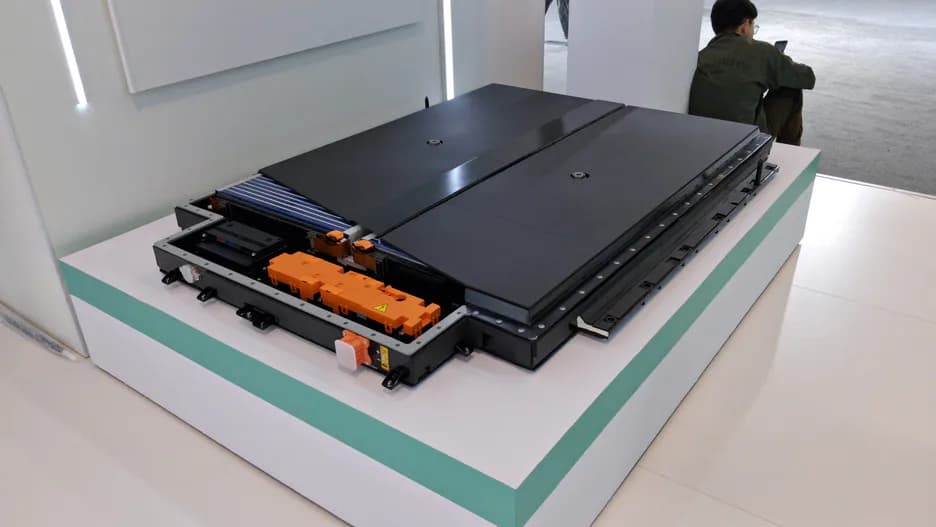
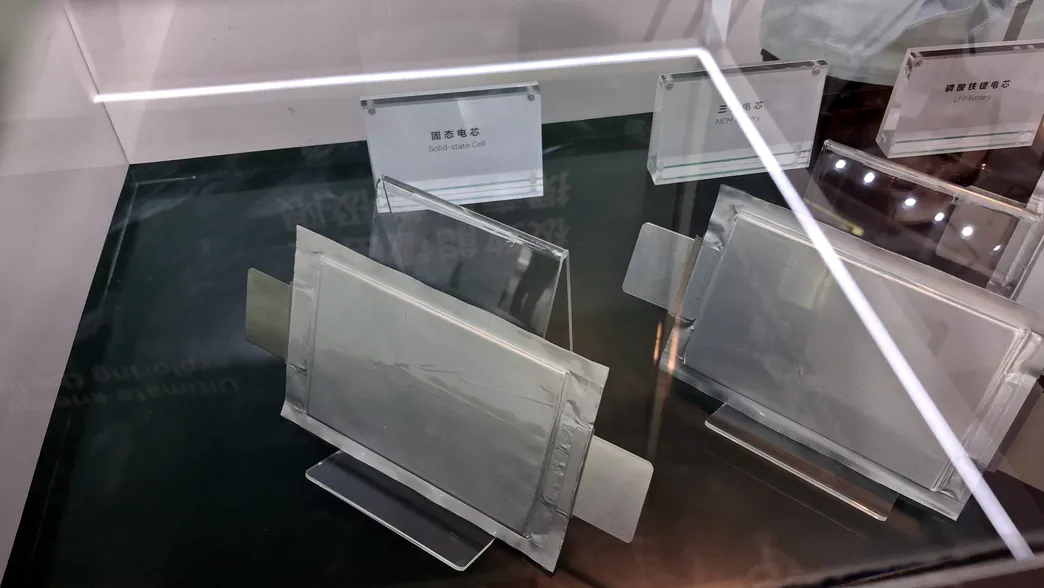
The main hero of today's post is the solid-state battery, developed by Chinese giant Chery. This technology, part of the Rhino Power family, replaces the traditional liquid electrolyte with a solid material, bringing revolutionary benefits. Imagine: energy density of up to 600 Wh/kg, enabling a range of up to 1500 km on a single charge! These are not fantasies – Chery announces that their battery will withstand extreme tests, including deformation or drilling, without fire risk. Safety is key, because compared to current lithium-ion batteries, solid-state minimizes the risk of explosion.
Photo: WP.PL
But that's not all. The Chery battery operates on a 1000 V architecture, enabling ultra-fast charging – from 10% to 80% in just 8 minutes in optimal conditions. For comparison, current 800 V standards like those in the Porsche Macan offer "only" 270 kW of charging power. Chery plans to deploy this technology in 2027, giving it an edge over the competition. The company collaborates with related brands such as Lepasa (specializing in batteries) and Exlantis, which is set to enter the European market – including Poland – as early as 2026.
This isn't entirely new, however – China is experimenting with semi-solid-state batteries that are a hybrid between traditional and fully solid types. Recently there have been reports of government regulations aiming to unify the naming: "semi-solid-state" will be renamed to "solid-liquid batteries" to avoid confusing marketing tricks. This shows how seriously Beijing approaches standardization in order to maintain credibility on the global market.
Other Players: CATL and NIO Lead the Race
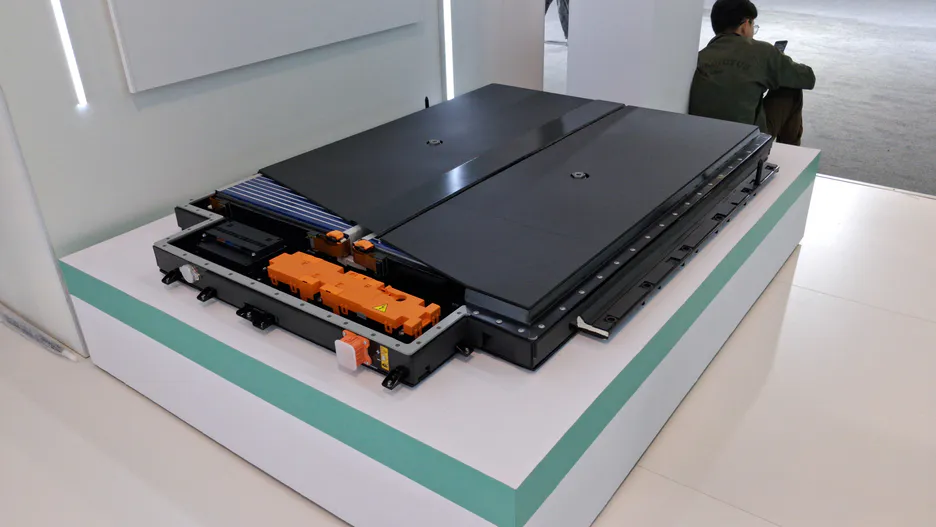
Chery is not alone in this race. The leader remains CATL, the world's largest battery manufacturer, which plans small production batches of full solid-state by 2027. Their technologies promise increased range and safety, although mass production still faces challenges such as high costs and conductivity issues. CATL is partnering with NIO, another Chinese EV brand, on batteries with extended lifespan – this partnership aims to revolutionize battery swap systems that NIO is already deploying in China.
Photo: WP.PL
NIO, known for luxury electric vehicles, focuses on semi-solid-state batteries, which offer higher energy density than standard lithium-ion but without the full drawbacks of early solid-state, such as the need for high temperatures for optimal operation. Other companies, like BYD, are targeting 2027 for their solid-state versions, showing that the entire Chinese ecosystem is pushing forward. China already produces more than two-thirds of global EVs and batteries, giving it a huge innovation advantage.
Benefits for Drivers and the Environment
Why does this matter? First, a range of 1500 km eliminates "range anxiety" – the fear of running out of charge. Second, fast charging makes EVs more convenient than combustion cars. Third, safety: the lack of liquid electrolyte means lower fire risk, which is key for mass adoption. Environmentally, solid-state batteries can be more eco-friendly – longer battery life means less waste, and higher efficiency reduces energy consumption. The Chinese are investing billions in research, collaborating with universities and laboratories worldwide, accelerating development.
The Future: Expansion and Challenges
Chinese ambitions reach far – from hybrids surpassing Toyota (Chery boasts engines with 46.5% thermal efficiency) to intelligent parking systems. But challenges remain: production costs, scalability, and regulations. Still, with companies like Chery, CATL, and NIO at the forefront, China may dominate the EV market by the end of the decade.
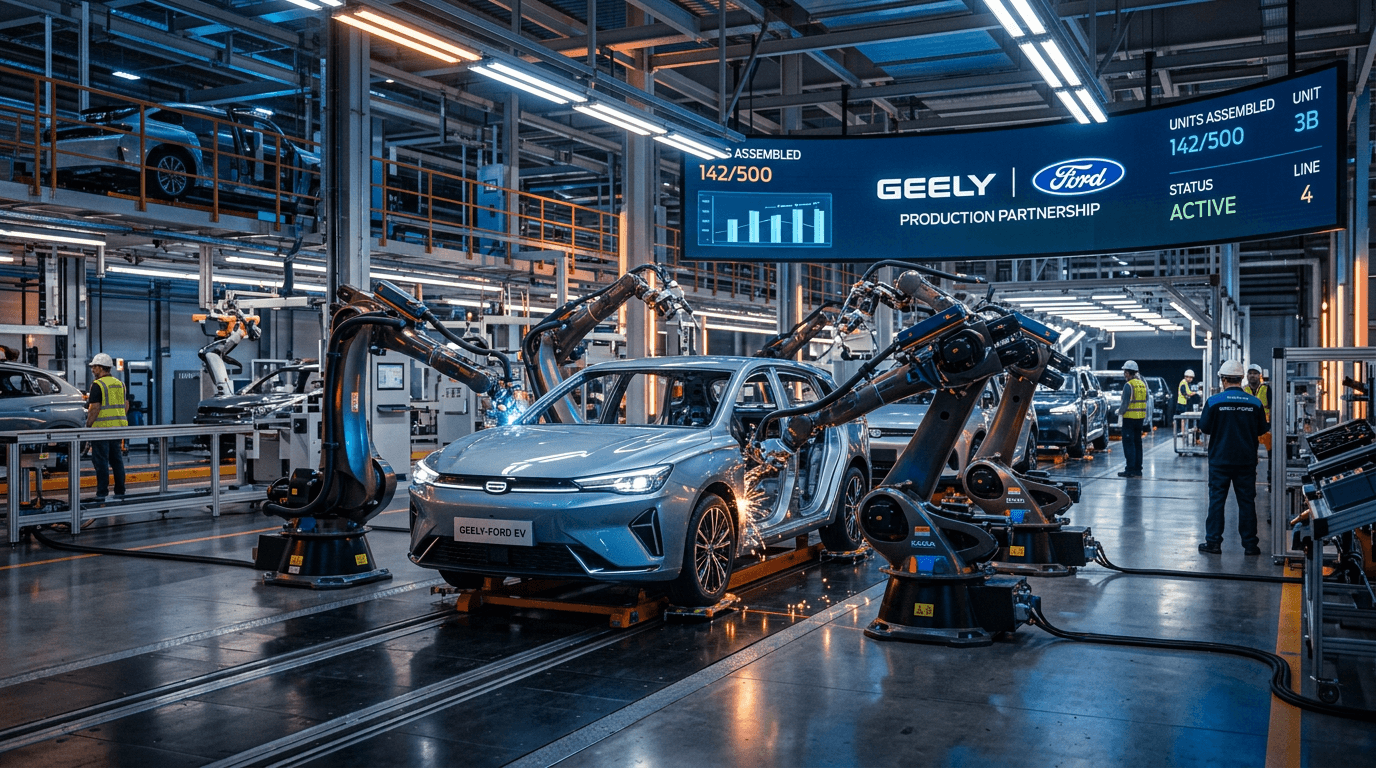
Ford is handing Geely the keys to its Valencia and German plants to bypass EU tariffs and accelerate EV development. In return, it gains the G-ASD technology and access to Chinese software engineering. Here is what this partnership means for the European EV market and drivers' wallets in Poland.
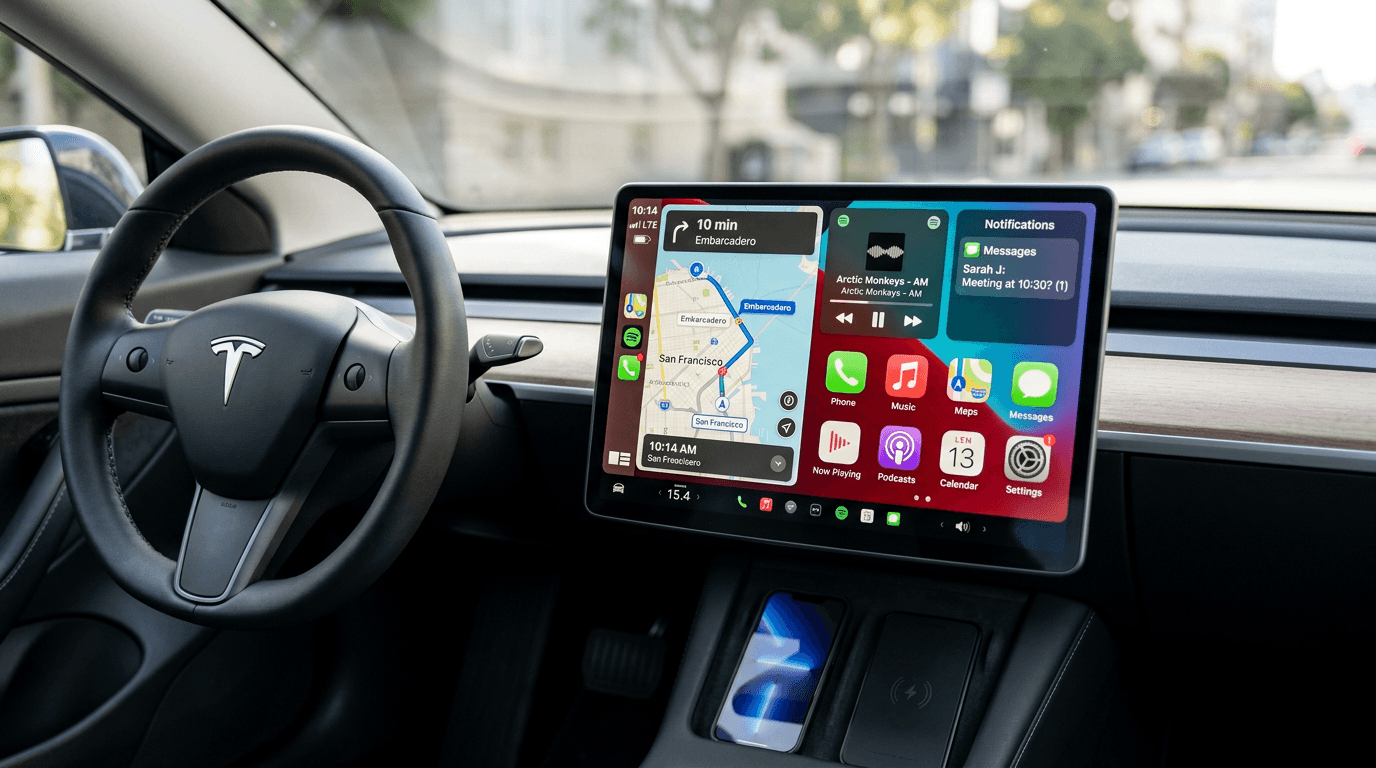
Tesla finally opens up to Apple CarPlay. How does Elon Musk's change of heart affect the Model 3's position, its Polish price of 156,240 PLN, and the rivalry with the BMW i4, Hyundai Ioniq 6, and BYD Seal?
Mini Countryman Electric for March 2026: 65.2 kWh battery, SiC inverter, WLTP range up to 501 km (E) and 467 km (SE ALL4). Performance, pricing and rivals compared.