Mercedes EQS with Solid-State Battery Covers 1,205 km on a Single Charge
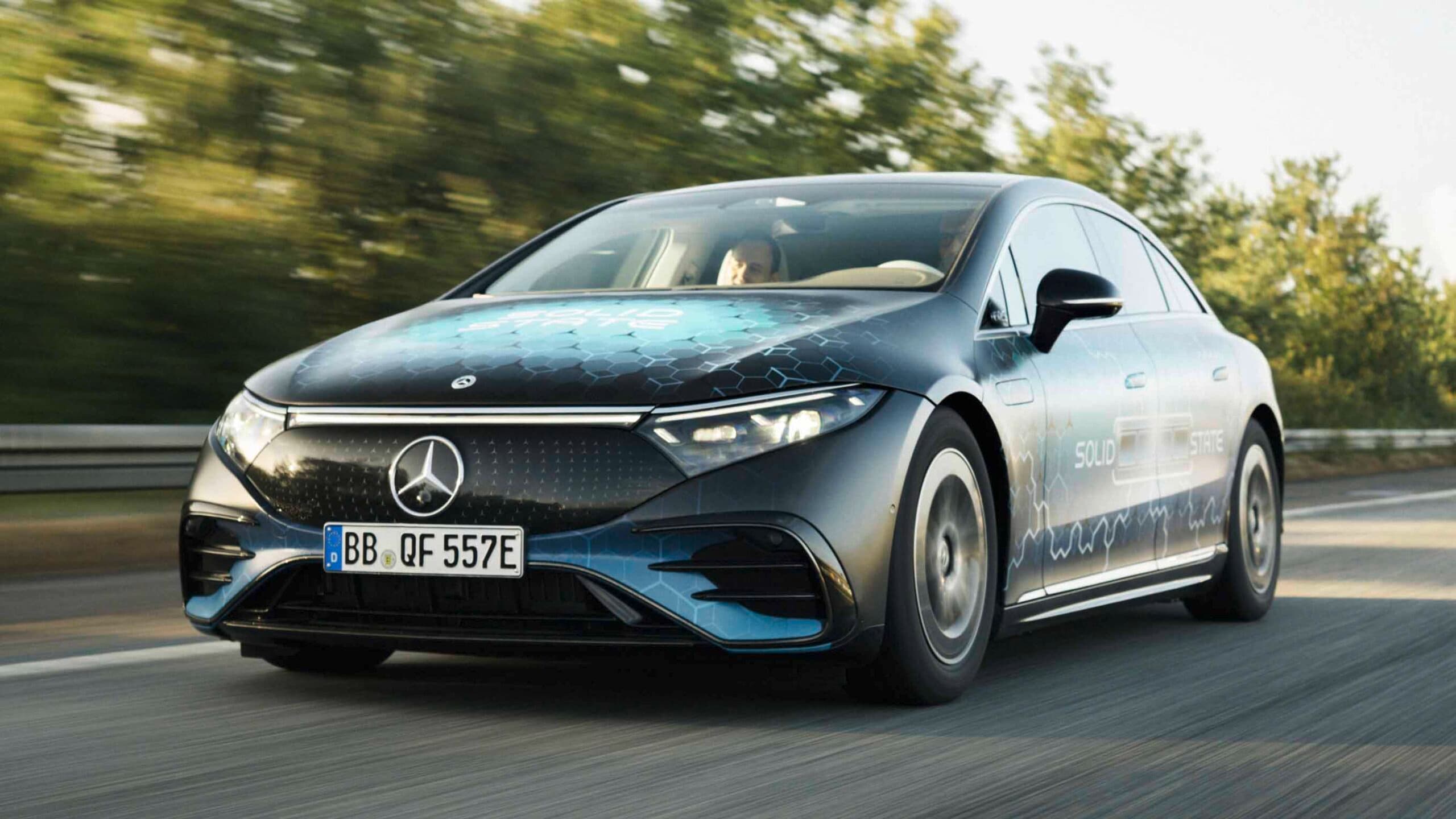
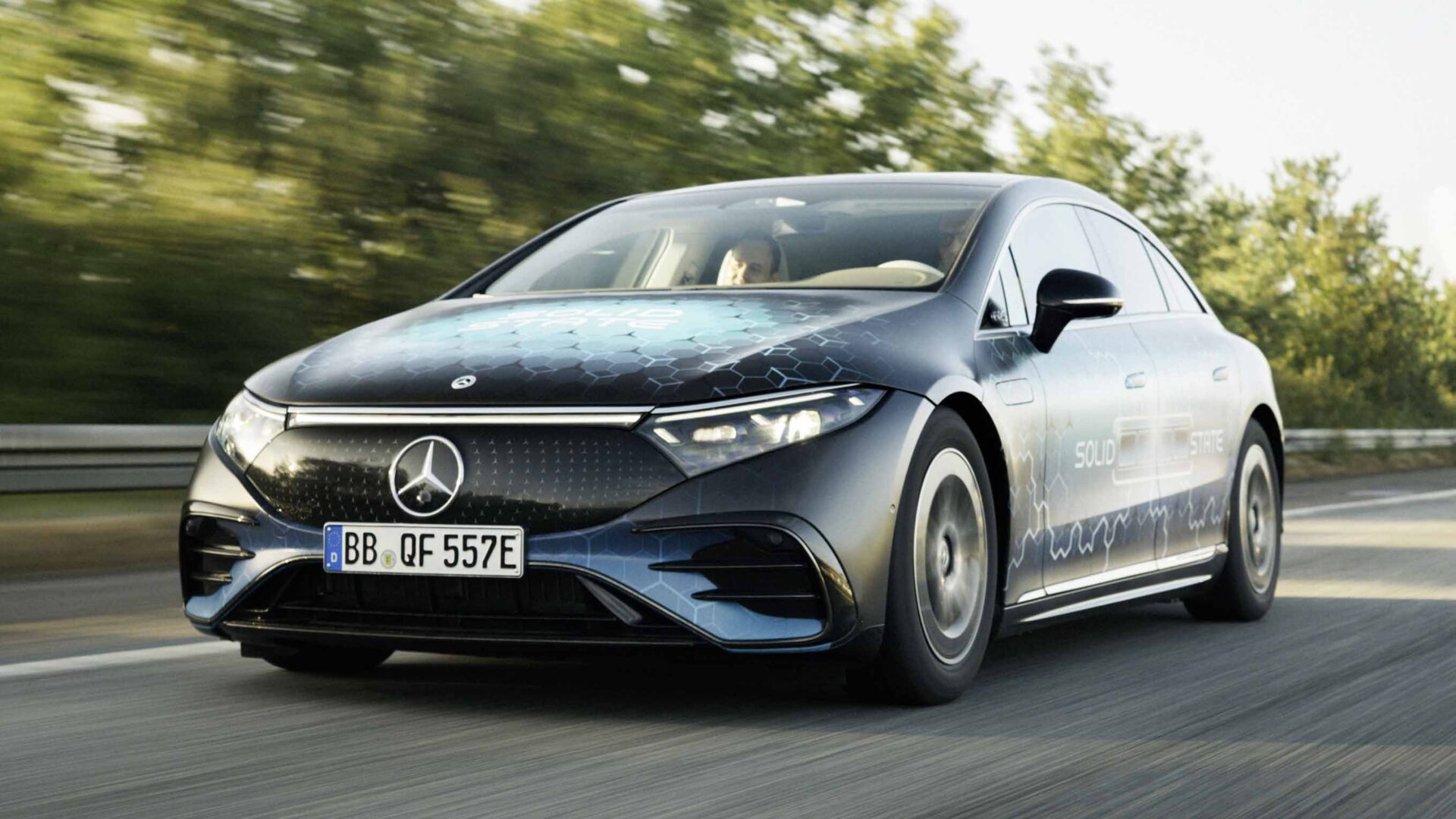
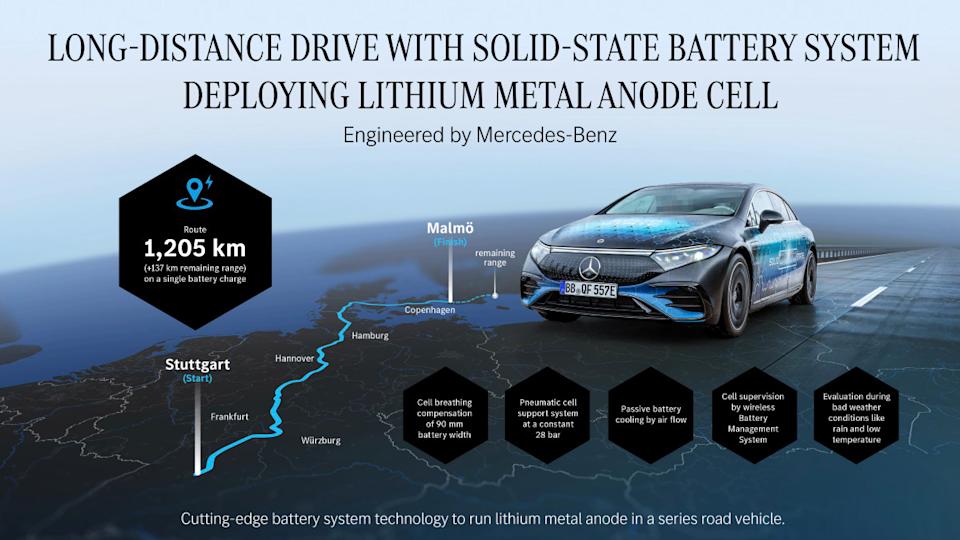
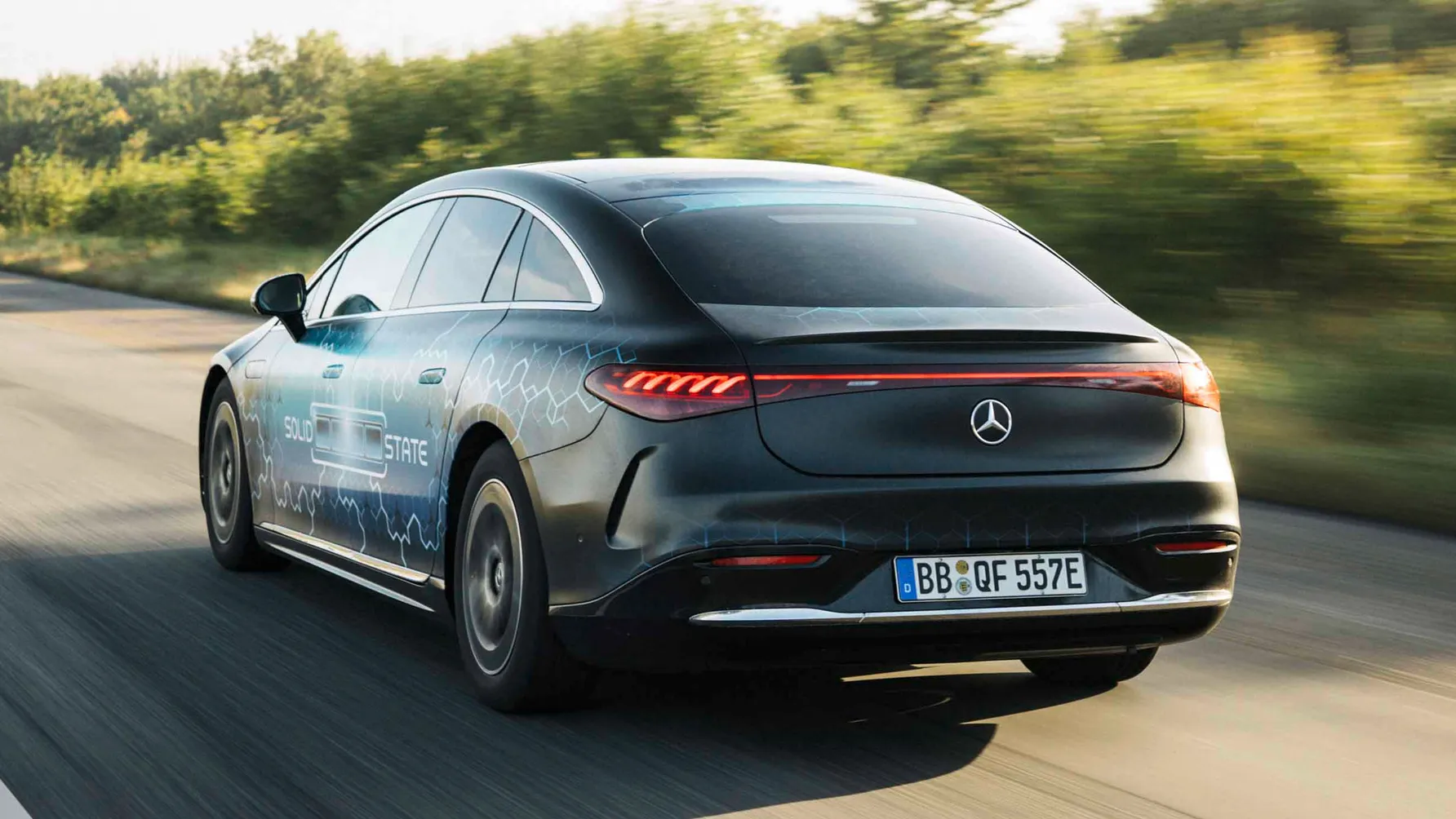
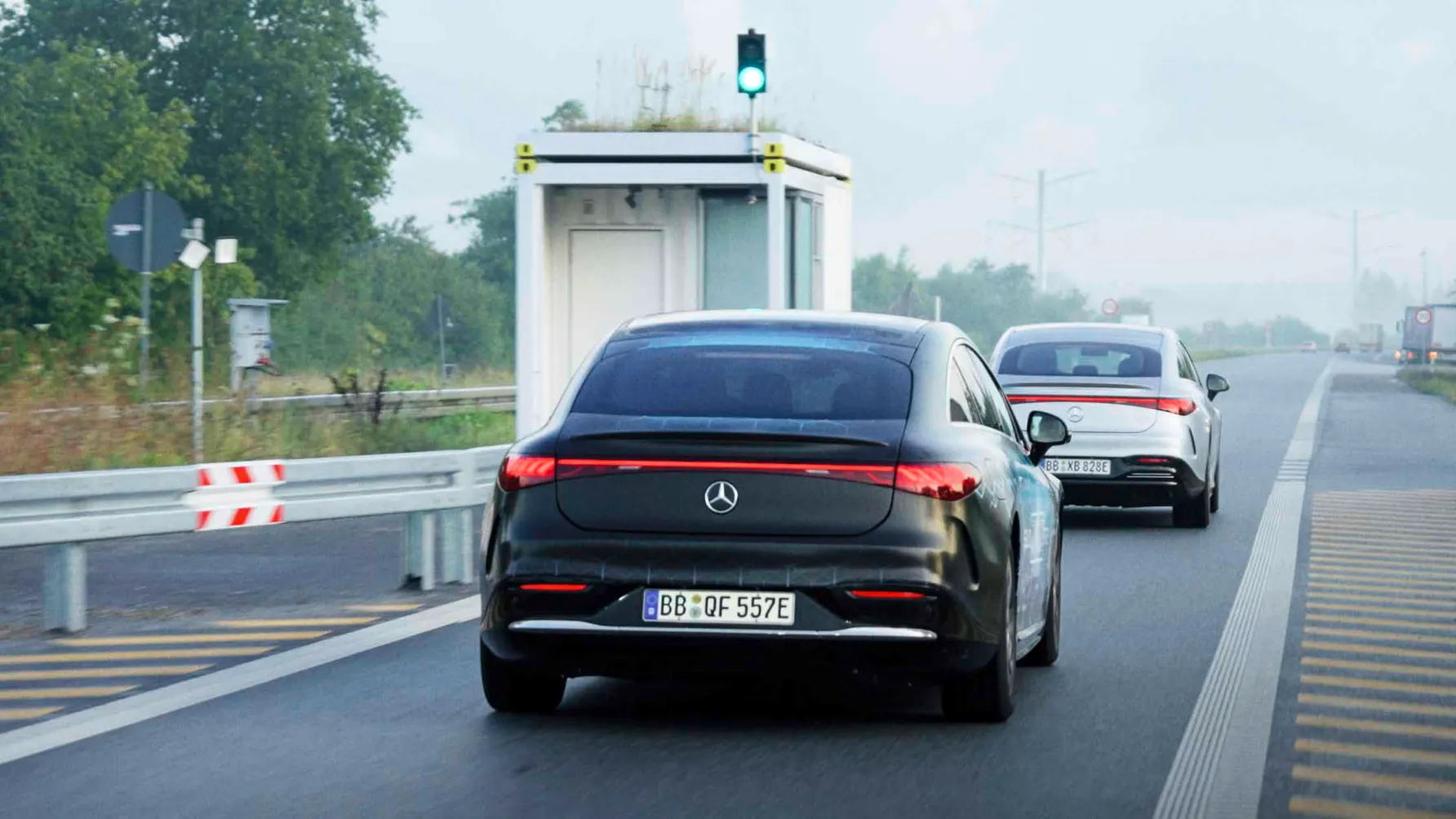
A Mercedes EQS fitted with an experimental solid-state battery from Factorial Energy traveled 1,205 km from Stuttgart to Malmö on a single charge, with 137 km of range still left. What do these results mean for the future of EVs?
EvCompass Editorial TeamPublishedUpdated3 min read
A Mercedes EQS fitted with an experimental solid-state battery from Factorial Energy traveled 1,205 km from Stuttgart to Malmö on a single charge, with 137 km of range still left. What do these results mean for the future of EVs?
Picture this: you step into a luxury sedan, press the accelerator, and cruise across Europe without a single charging stop. Mercedes just did exactly that with the EQS, its flagship premium EV equipped with a solid-state battery. This is a real leap forward for the future of driving.
Long-distance test successfully completed: EQS with solid-state battery covers 1,205 km on a single charge
Epic Test: Mercedes EQS with Factorial Energy Conquers the Stuttgart–Malmö Route
In a modified Mercedes EQS, engineers from Mercedes-AMG High Performance Powertrains, supported by experts from the UK Formula 1 technology center, installed cells from US-based Factorial Energy. The result: 1,205 km from Stuttgart to Malmö, Sweden, on a single charge. On arrival the on-board computer still showed 137 km of reserve range, for a theoretical total of 1,342 km. This exceeds the previous record set by the Lucid Air Grand Touring.
The source does not specify average speed or weather conditions, but the route covered highways, bridges, and varied landscapes, all powered purely by electricity. The test shows that EVs can be true long-distance machines, not just urban runabouts.
Solid-State Batteries: What They Are and Why They Change the Game
Solid-state batteries are the next evolution of familiar lithium-ion cells. Instead of a liquid electrolyte, they use a solid one (such as a ceramic or polymer), along with a lithium-metal anode that packs more energy into the same space. In the Mercedes test, energy density rose by 25% at identical battery mass and volume. The result: a lighter car, better dynamics, no cold-weather performance drops, and higher safety since there is no liquid to leak or ignite.
Solid-state is not just about range. It also enables faster charging (up to 80% in around ten-odd minutes) and longer cycle life (thousands of cycles without major degradation).
The Road Ahead: 1,200+ km of Range and Lightning-Fast Charging
Experts forecast that by 2027 EVs will offer up to 1,200 km (750 miles) of range on a single charge, thanks to 2–3 times today's energy density. The solid electrolyte tolerates higher currents without overheating, enabling 0–100% charging in 10–15 minutes, with lower fire risk.
Looking to 2030–2035, costs are expected to fall, making the technology accessible not just to premium brands (Mercedes, with Nissan planning a debut in 2029) but to the mass market. According to BloombergNEF, by 2035 solid-state cells could account for 10% of the EV market, with cell prices dropping to lithium-ion levels. Lifetime could reach up to 5,000 cycles.
Mercedes will not drop this battery into a production EQS tomorrow, but the tests signal that premium models such as the S-Class or Maybach will get it first.
Electromobility Without Limits
The Mercedes EQS with a solid-state battery is not a gadget; it is a manifesto for the future. In a zero-emission era, long trips, holidays, and track days can become pure, cable-free enjoyment without compromise.
Sources: based on Mercedes tests and industry projections.
EQS Stuttgart–Malmö Test: Key Figures
Distance covered
1205 kmRoute from Stuttgart to Malmö on a single charge.
Range left on arrival
137 kmReading shown by the on-board computer after the trip.
Theoretical total range
1342 kmDistance covered plus remaining reserve.
Energy density increase
25 %At identical battery mass and volume vs. standard setup.
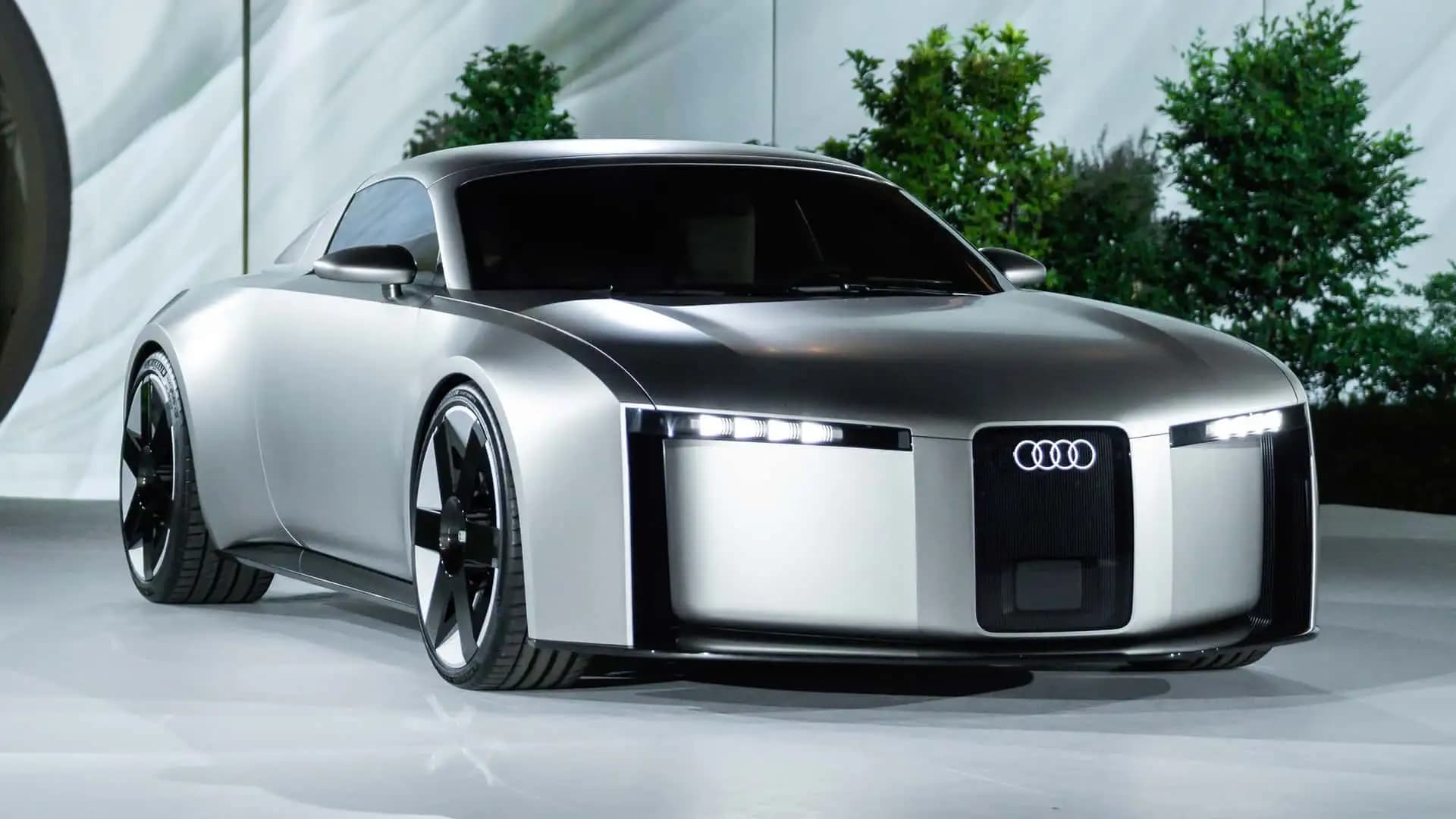
Audi CEO Gernot Döllner told Wirtschaftswoche that “EV is simply better technology.” The brand backs the EU ban on new combustion cars from 2035 and is betting on the SSP platform plus an electric A4.
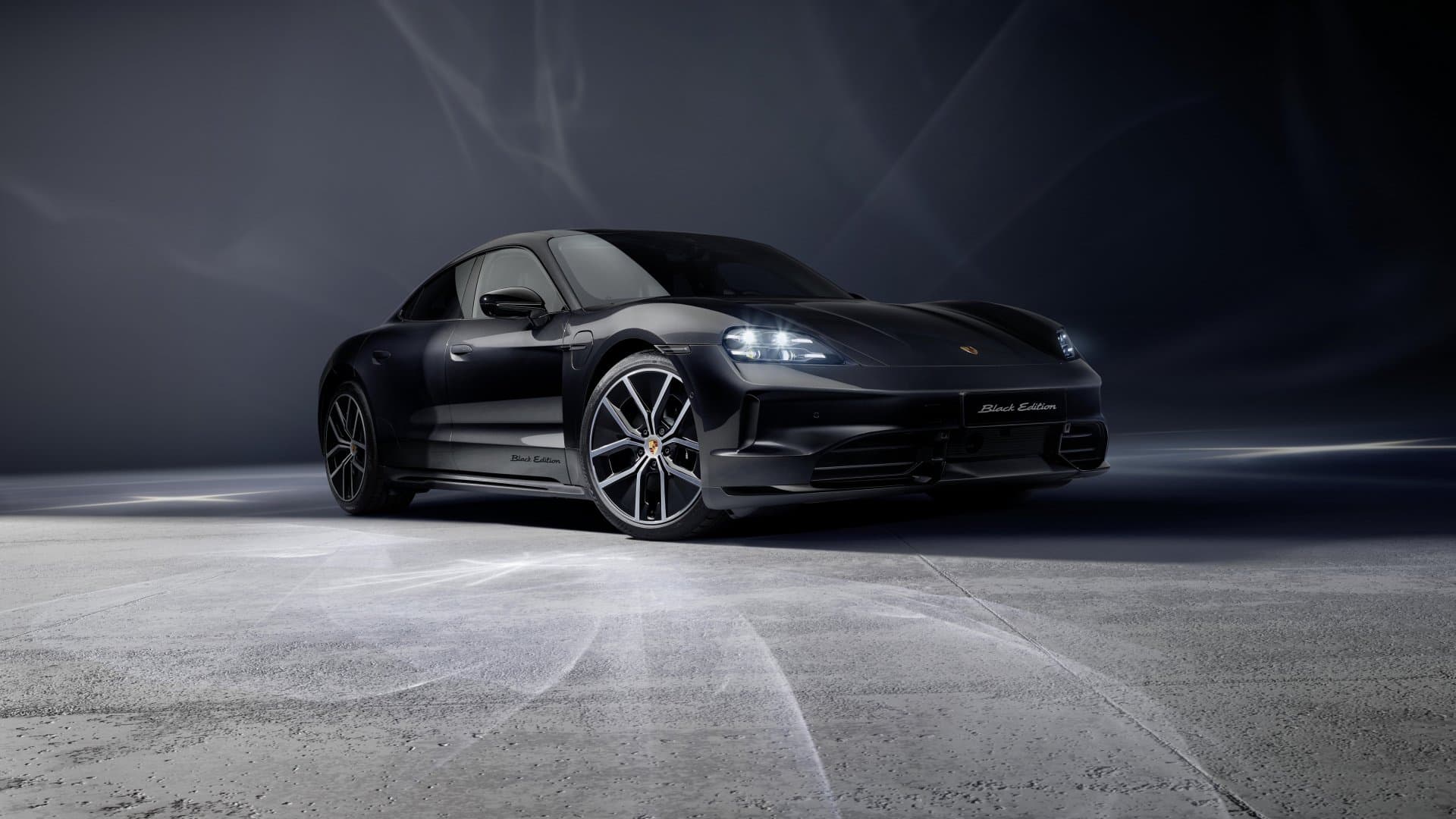
Porsche launches a limited Black Edition for the electric Taycan and the hybrid Cayenne (SUV and Coupé). Black accents, a larger 105 kWh battery, up to 668 km of range and a rich standard equipment list.
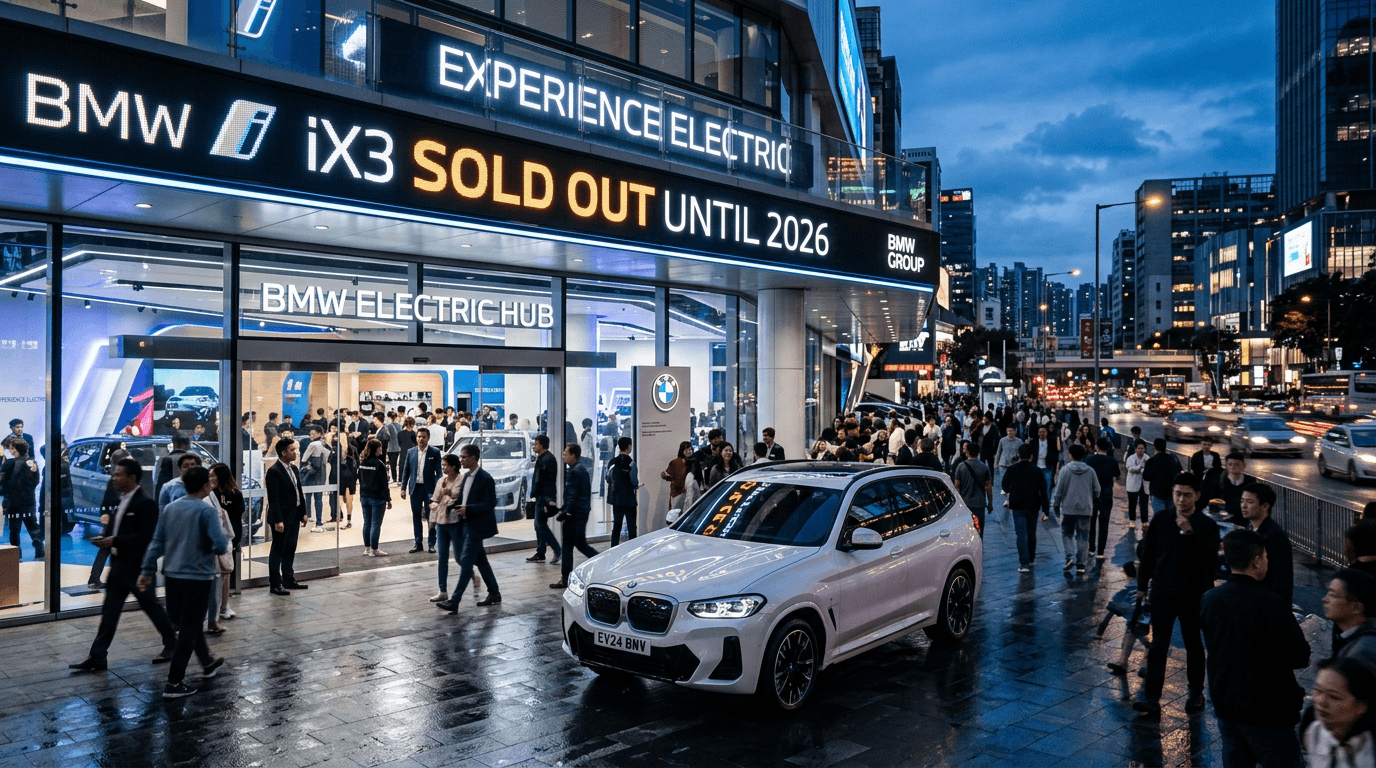
The new BMW iX3 (Neue Klasse) sells out faster than the Debrecen plant can build it. We break down 805 km of WLTP range, 469 hp, 400 kW charging and a 310,000 PLN starting price against the Audi Q6 e-tron, Porsche Macan Electric and Mercedes EQE SUV.